Natural cedar Roofing That Ages With Character
Cedar Roofing in Bangor for homeowners seeking distinctive appearance and natural insulation properties
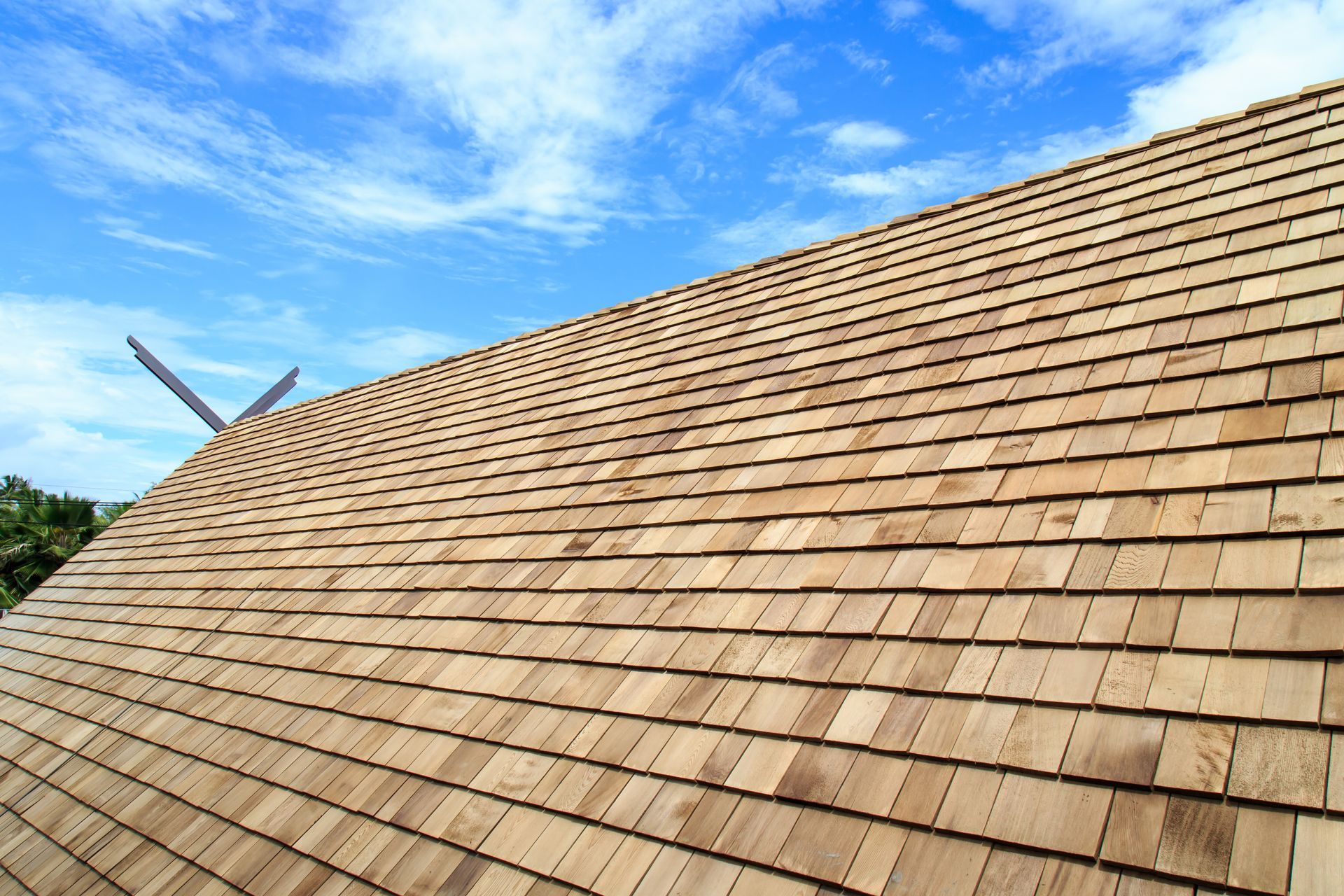
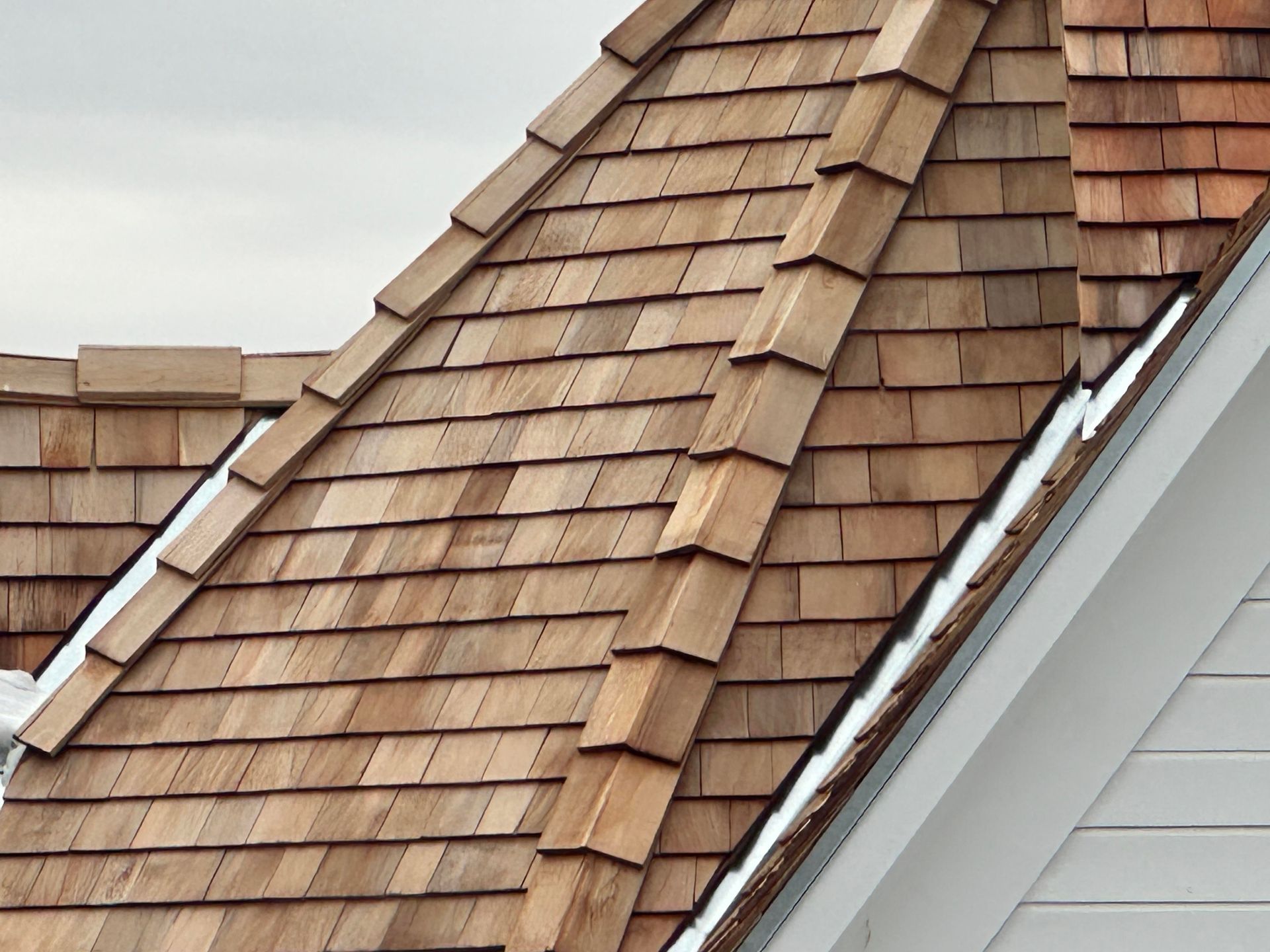
Cedar shakes and shingles offer texture and color variation that manufactured roofing materials cannot replicate, aging from fresh-cut tan tones to weathered silver-gray as natural oils gradually leach from the wood. MJJ Roofing & Siding installs cedar roofing systems for homeowners in Bangor who value the material's traditional appearance and natural insulating qualities. Proper installation techniques that promote airflow and drainage beneath each course determine whether cedar roofs deliver decades of service or fail prematurely from trapped moisture that encourages rot.
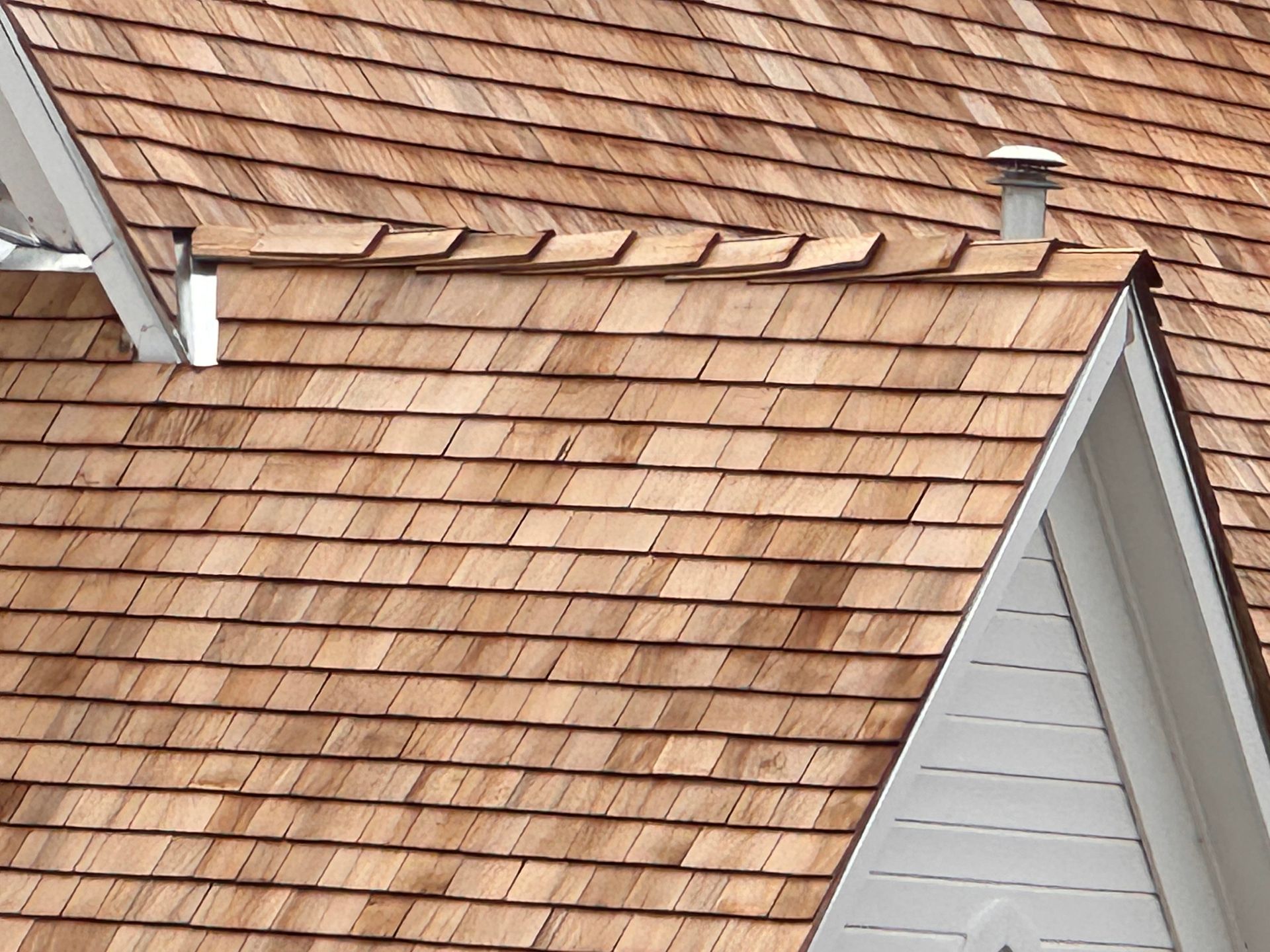
Cedar installation requires spacing between individual pieces to allow expansion when wood absorbs moisture during humid periods and rain events. Each course overlaps the one below with sufficient exposure to shed water while preventing wind-driven moisture from reaching the underlayment. The wood's natural oils provide some rot resistance, but long-term performance depends on ventilation that allows both the roof deck and cedar itself to dry between weather events. Maine's seasonal humidity and temperature swings demand careful attention to these installation details.
Request an estimate to discuss cedar grade options and maintenance expectations for your property.

Request a free quote today!
Contact Us
We will get back to you as soon as possible.
Please try again later.
What Proper Cedar Installation Requires
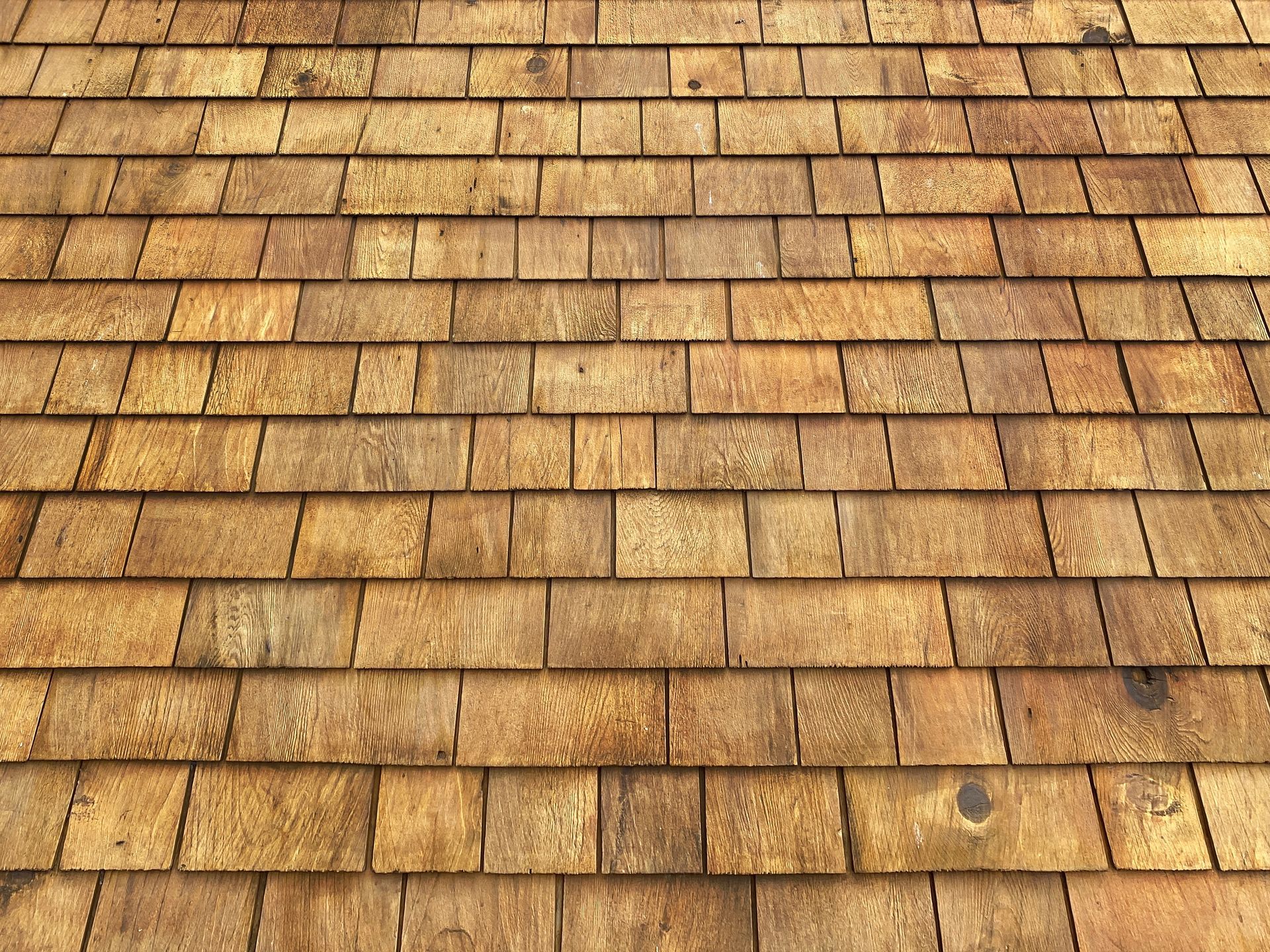
Cedar roofing grades range from premium clear shakes with minimal knots to more economical options containing natural character marks. Thicker shakes split from logs provide more rustic appearance and longer service life than thinner sawn shingles, though both require skilled installation to maintain proper spacing and exposure. Fasteners must avoid splitting the wood while providing secure attachment, typically using stainless steel or hot-dipped galvanized nails that resist corrosion from tannins in the cedar.
After installation, you'll have a roof that weathers naturally, shedding water while developing the patina that defines cedar's aesthetic appeal. The material provides natural insulation value higher than asphalt or metal alternatives, moderating attic temperatures during both summer heat and winter cold. Moss and lichen growth patterns vary with sun exposure and humidity, adding organic character that some homeowners prefer while others remove through periodic treatments. The roof's appearance continues evolving throughout its lifespan, unlike manufactured materials that maintain consistent color until they fail.
Cedar roofs benefit from periodic debris removal and treatments that inhibit moss growth in shaded areas. Overhanging tree branches accelerate wear by maintaining constant moisture and dropping leaves that trap water against wood surfaces. Proper maintenance extends cedar roof life significantly, while neglected installations deteriorate faster as moisture penetration leads to rot. Some homeowners apply preservative treatments that slow weathering and extend service life, though these change the natural aging appearance.
What Property Owners Want to Know about cedar roofing
Homeowners considering cedar roofing need realistic expectations about maintenance requirements, appearance changes over time, and performance compared to manufactured alternatives.
How long does cedar roofing last in Bangor's climate?
Properly installed and maintained cedar roofs typically provide thirty to forty years of service, though lifespan varies significantly based on exposure to sun, humidity levels, and whether homeowners implement recommended maintenance practices.
What maintenance does cedar roofing require to prevent premature failure?
Removing debris accumulation, treating moss growth in shaded areas, and ensuring adequate ventilation beneath the roof deck all contribute to longevity by preventing moisture retention that causes rot.
Why do some cedar roofs develop uneven weathering patterns?
Sun exposure affects weathering rate, with south-facing slopes typically lightening to gray faster than shaded north-facing sections, while moisture retention under tree cover can darken cedar or promote moss growth.
How does fire resistance compare between cedar and other roofing materials?
Untreated cedar offers less fire resistance than asphalt, metal, or tile roofing, though fire-retardant treatments can improve ratings for properties in areas with specific code requirements.
What's the cost difference between cedar and asphalt shingle roofing?
Cedar materials and installation labor typically cost two to three times more than architectural asphalt shingles, offset partially by insulation benefits and distinctive appearance that some buyers value during resale.
MJJ Roofing & Siding explains material grades, installation techniques, and maintenance recommendations specific to cedar roofing performance. Arrange a consultation to review whether cedar suits your property's exposure conditions and your willingness to maintain natural roofing materials.