
Masonry Joints That Stop Water Before Damage Starts
Chimney Pointing Maintenance in Bangor for deteriorated mortar that lets moisture penetrate masonry
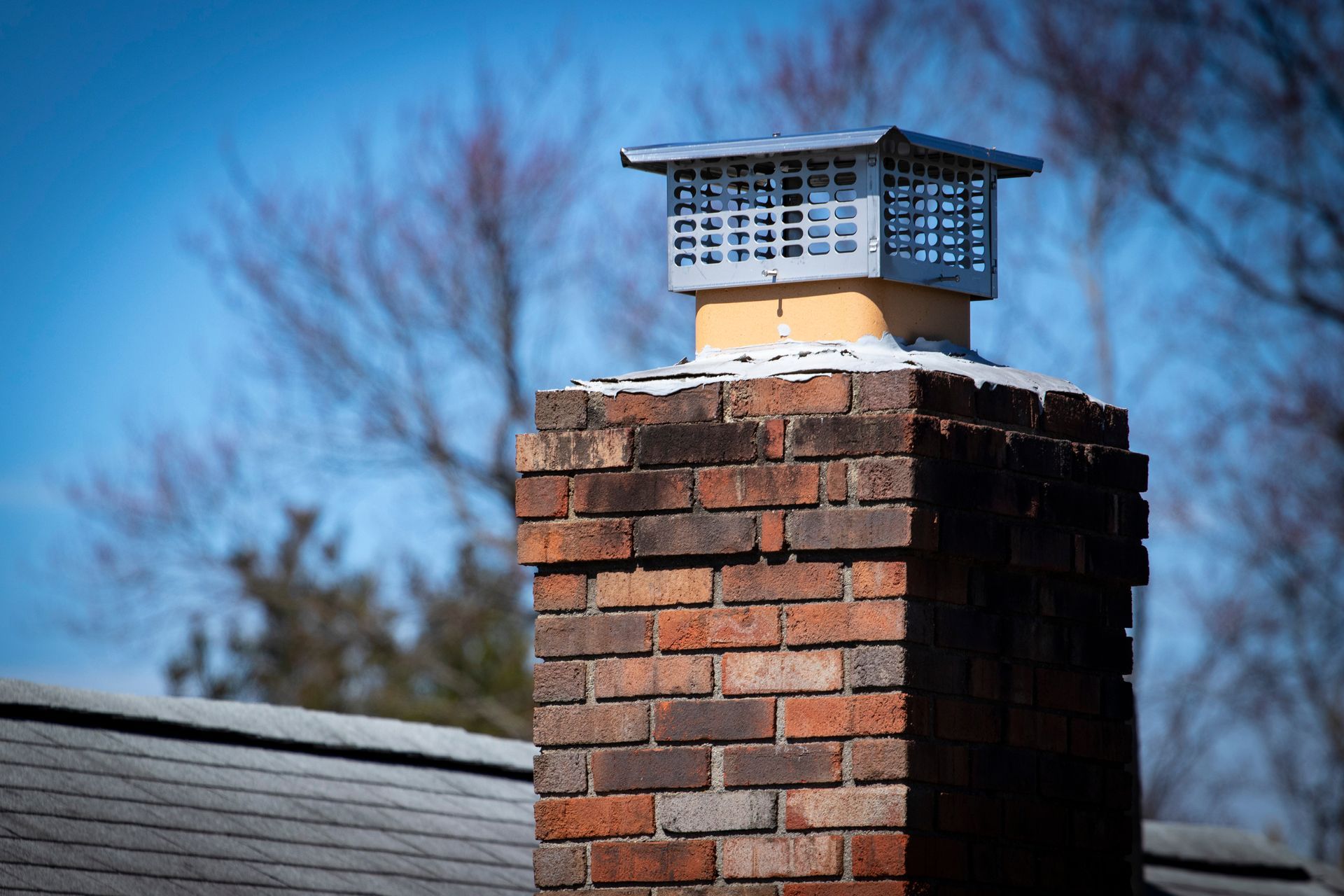
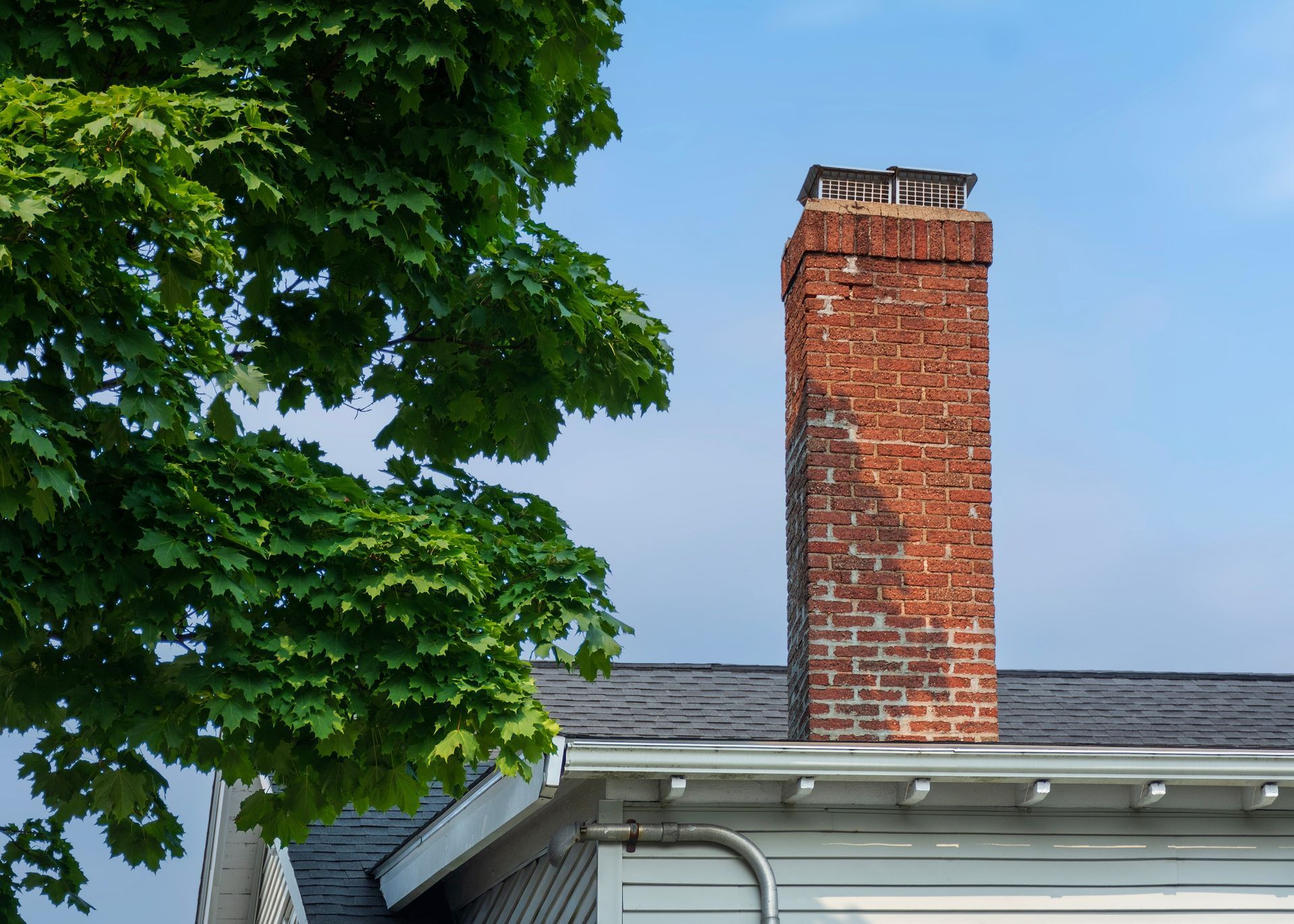
Mortar joints between chimney bricks deteriorate from freeze-thaw cycles, and when those joints crack or crumble, water enters the masonry structure and accelerates damage throughout the chimney system. MJJ Roofing & Siding restores compromised mortar through chimney pointing maintenance in Bangor, removing failed material and replacing it with properly matched mortar that seals the structure against moisture intrusion. This work matters most for chimneys showing visible gaps, crumbling mortar, or white staining on brick surfaces where water has already begun moving through the joints.
The process involves removing deteriorated mortar to a specific depth, preparing the joint surfaces, and applying new mortar that matches the original in strength and composition. Northern Maine winters create conditions where water trapped in failing joints freezes and expands, forcing bricks apart and compromising the chimney's structural integrity. Proper pointing stops this cycle by restoring the weathertight seal that keeps water out of the masonry entirely.
Schedule a chimney inspection to identify mortar joints requiring restoration before winter weather worsens existing damage.
Request a free quote today!
Contact Us
We will get back to you as soon as possible.
Please try again later.
How Pointing Restores Chimney Function and Longevity
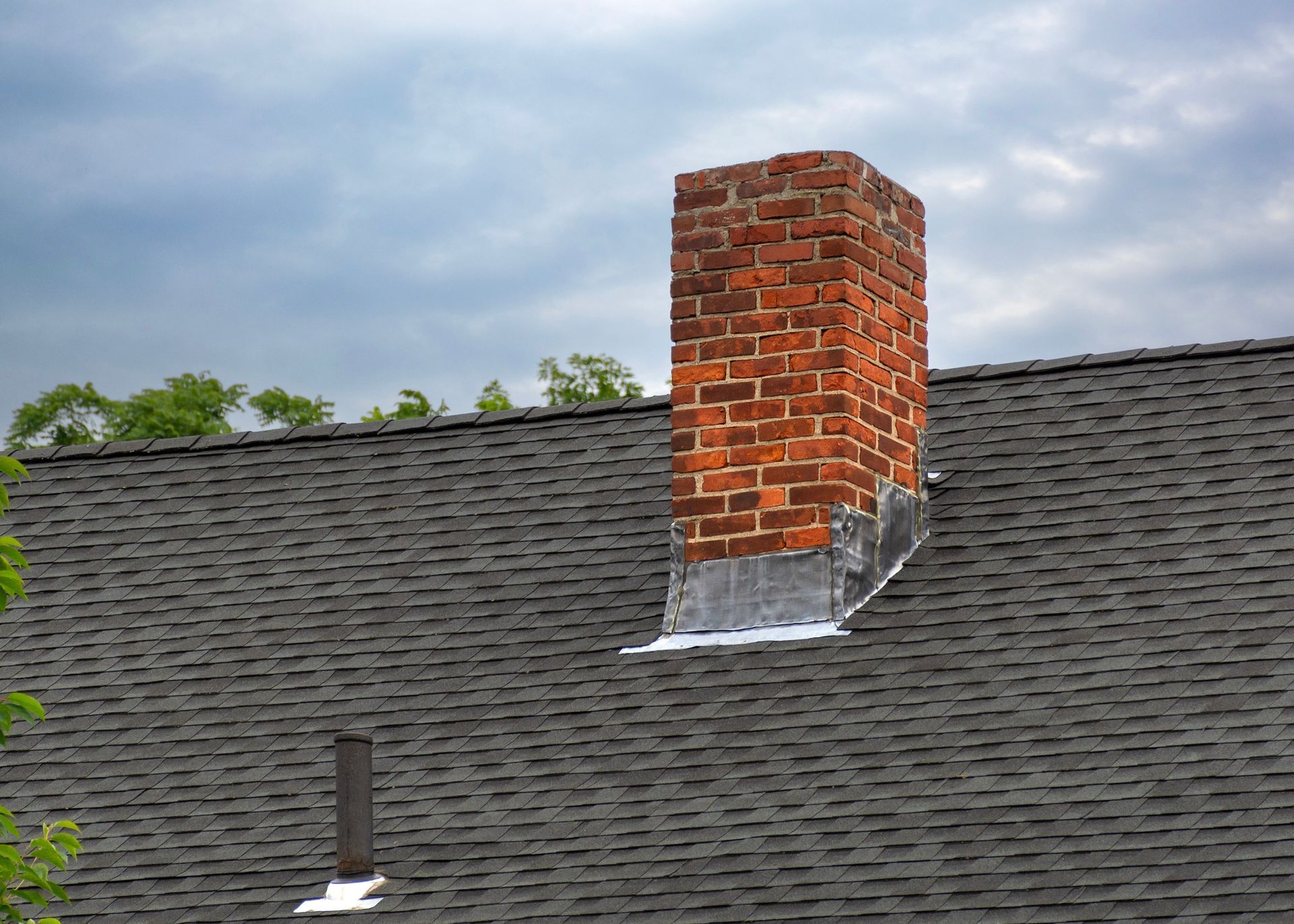
Pointing work addresses both structural and moisture problems by creating continuous, weather-resistant joints that distribute stress evenly across the masonry. When mortar degrades, individual bricks lose lateral support and can shift or crack under wind load and temperature changes. Restored joints lock the masonry back into a unified structure that handles normal stresses without movement or separation.
After pointing maintenance is completed, you'll notice mortar lines appear uniform and filled completely, with no gaps or recessed areas where water can collect. The chimney stops shedding mortar dust and small particles, and white efflorescence staining no longer appears on brick faces because water is no longer migrating through the wall. The structure regains the weather resistance it had when originally built, which directly extends the functional life of the entire chimney by decades when combined with routine inspections.
Routine inspections catch mortar deterioration early, before water infiltration damages bricks or interior flue components that cost significantly more to repair. This maintenance preserves both the structural integrity of the chimney and its appearance, keeping the masonry looking intentional rather than neglected. The work also prevents more extensive repairs later, since bricks themselves last far longer than mortar and rarely need replacement when joints are maintained properly.
Frequently Asked Questions About Pointing Work
Property owners in Bangor often ask specific questions about how pointing maintenance works and what results to expect from the process.
How deep does mortar need to be removed during pointing?
Deteriorated mortar is typically removed to a depth of at least three-quarters of an inch to create sufficient space for new material to bond properly and develop structural strength within the joint.
What causes mortar to fail faster on some chimneys than others?
Chimneys on the weather-exposed side of a structure, particularly those facing prevailing winds and rain in Bangor, experience accelerated mortar degradation because moisture penetrates joints more frequently and freeze-thaw cycles occur more often in saturated material.
Why does the mortar need to match the original in strength?
Using mortar that is harder than the original brick forces stress into the masonry units themselves rather than allowing joints to absorb movement, which leads to brick cracking and spalling that cannot be easily repaired.
When should pointing maintenance be scheduled?
Pointing work should happen when you notice recessed or crumbling mortar joints, white staining on bricks, or small piles of mortar sand accumulating at the chimney base, all of which indicate the joints are no longer weathertight.
What does properly pointed masonry look like after completion?
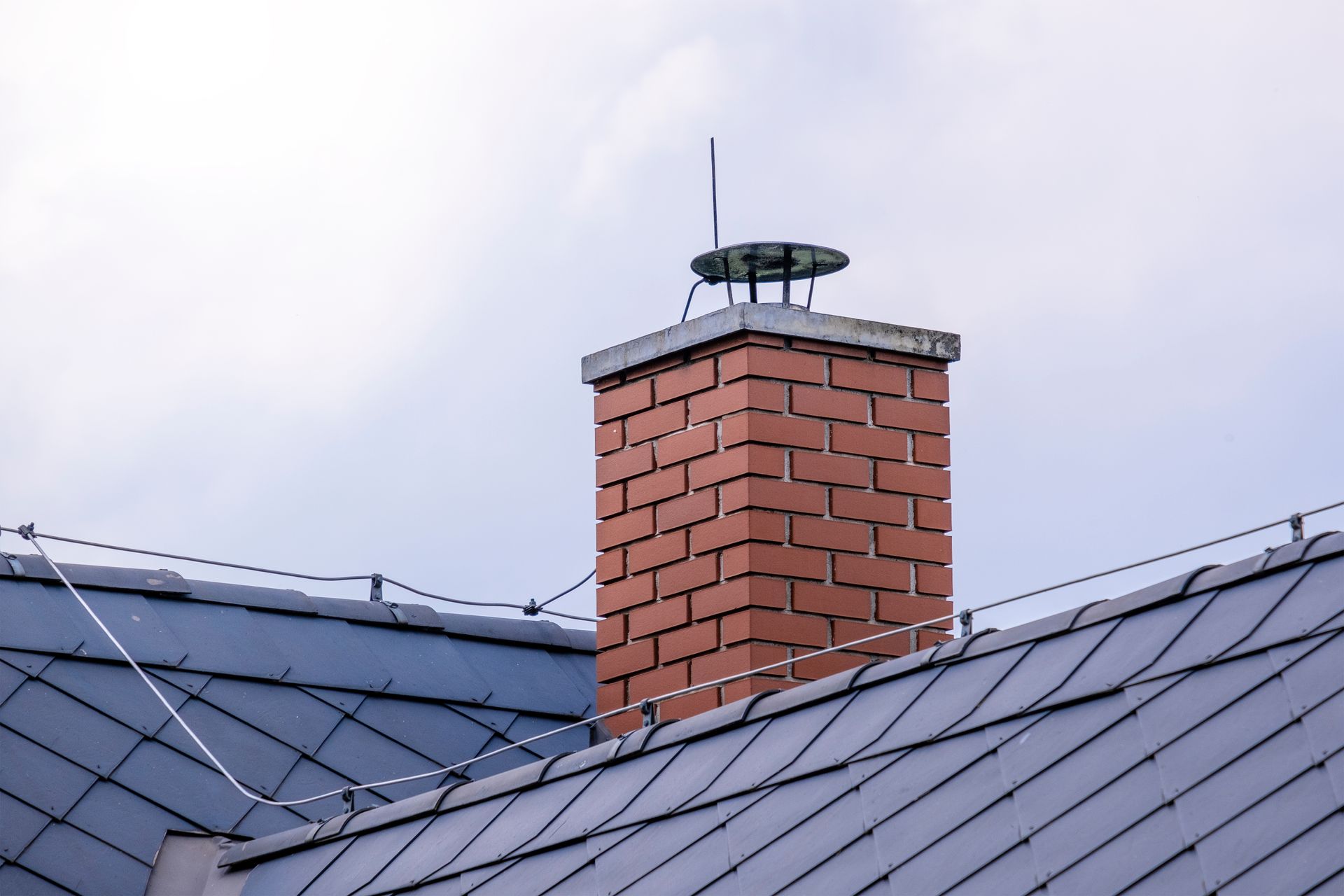
Finished joints sit slightly recessed from the brick face, appear uniform in depth and profile, and show no cracks or gaps where water could enter the wall system.
MJJ Roofing & Siding restores chimney masonry to weather-resistant condition through pointing maintenance that addresses both structural integrity and moisture control. Request a masonry evaluation to determine the extent of mortar deterioration and develop a restoration plan specific to your chimney's current condition.