
Sealed Roof Penetrations That Stop Leaks
Chimney Flashing Repair in Bangor for worn metal, separated joints, and failing sealant that allow water into attic spaces and interior walls
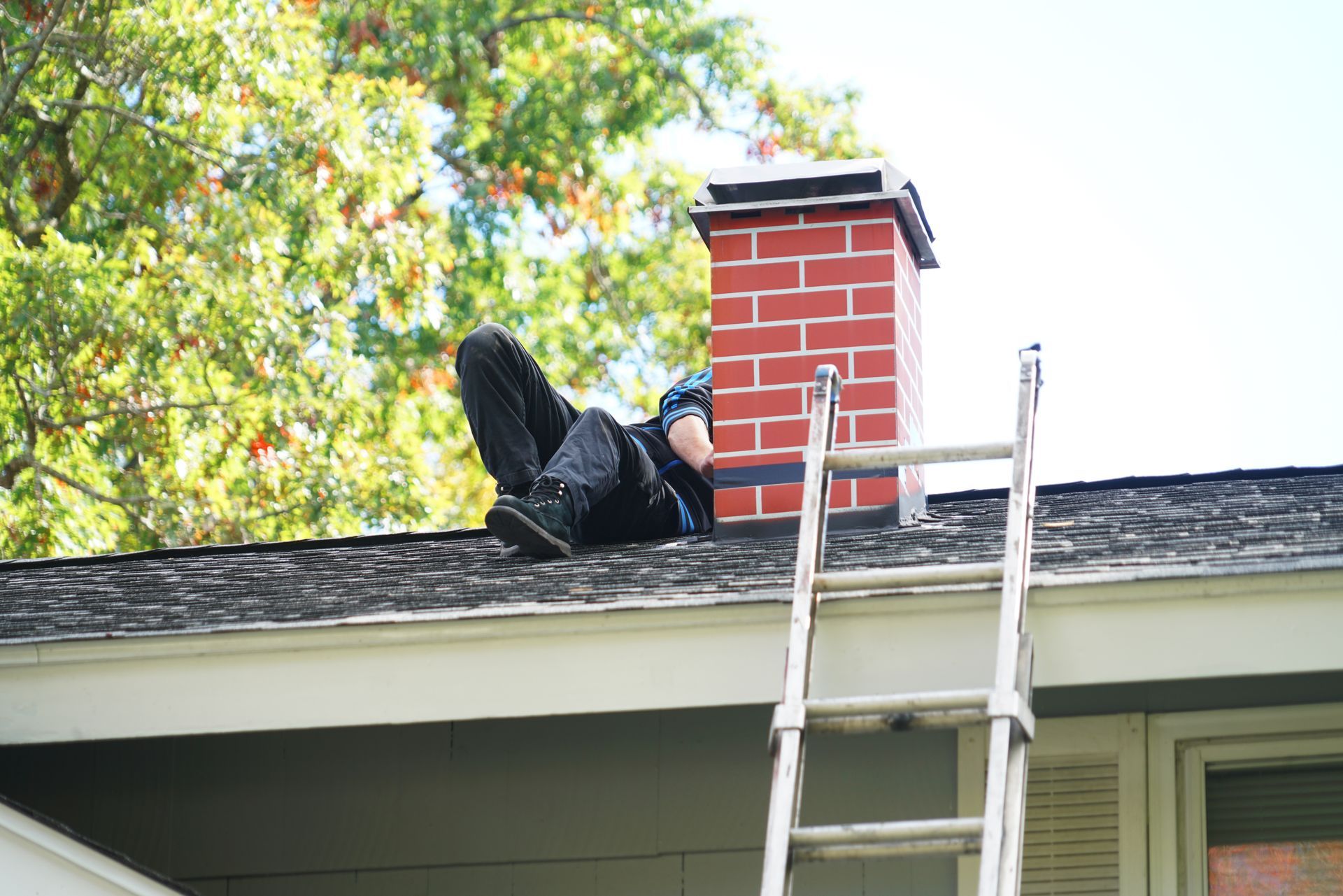
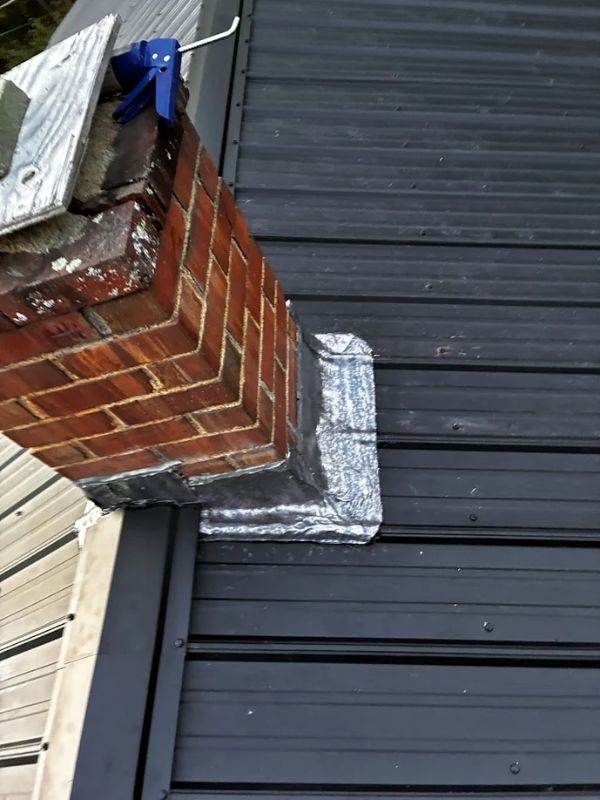
Flashing around chimneys fails when sealant dries and cracks, when step flashing pulls away from shingles during roof expansion, or when counterflashing separates from mortar joints and allows water to run behind the protective barrier. MJJ Roofing & Siding addresses these failures by removing deteriorated flashing, installing new metal components that integrate with the roofing system, and sealing joints so water running down the chimney or across the roof cannot enter the building. You'll notice the need for this work when ceiling stains appear near the chimney, when attic insulation shows water damage after storms, or when you see gaps between flashing and masonry where metal has corroded or pulled free.
Repair involves lifting shingles adjacent to the chimney, removing old flashing that no longer seals properly, and installing new step flashing pieces that interlock with each shingle course. Counterflashing is then fitted into mortar joints or secured to the chimney face and sealed to create an overlapping barrier. The layered design ensures that water always encounters a sealed surface as it moves downward, with no direct path into the roof deck or wall cavities.
Schedule an inspection if you see water stains, damp insulation, or visible gaps in the flashing around your chimney.
Request a free quote today!
Contact Us
We will get back to you as soon as possible.
Please try again later.
Why Layered Flashing Maintains Waterproofing
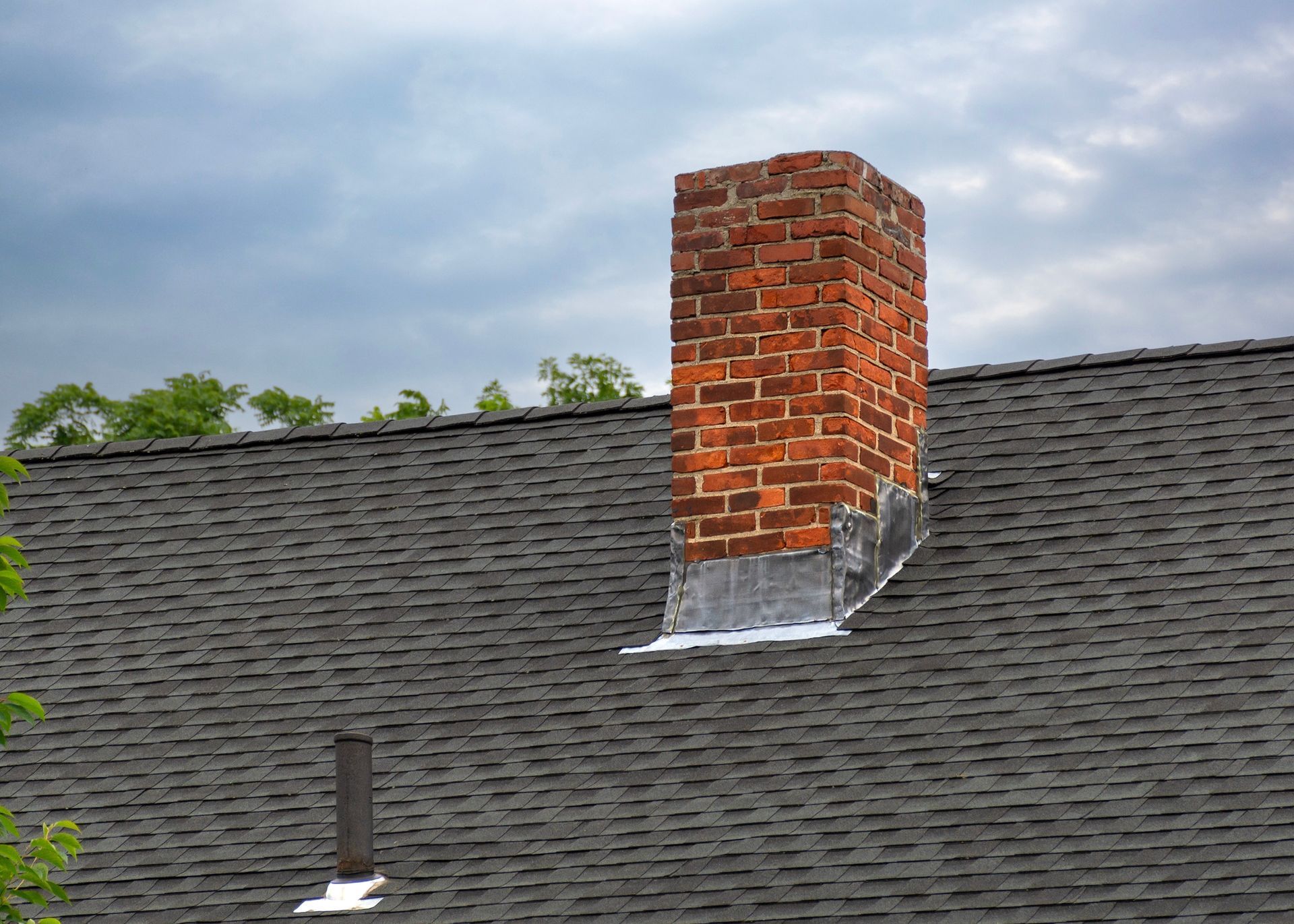
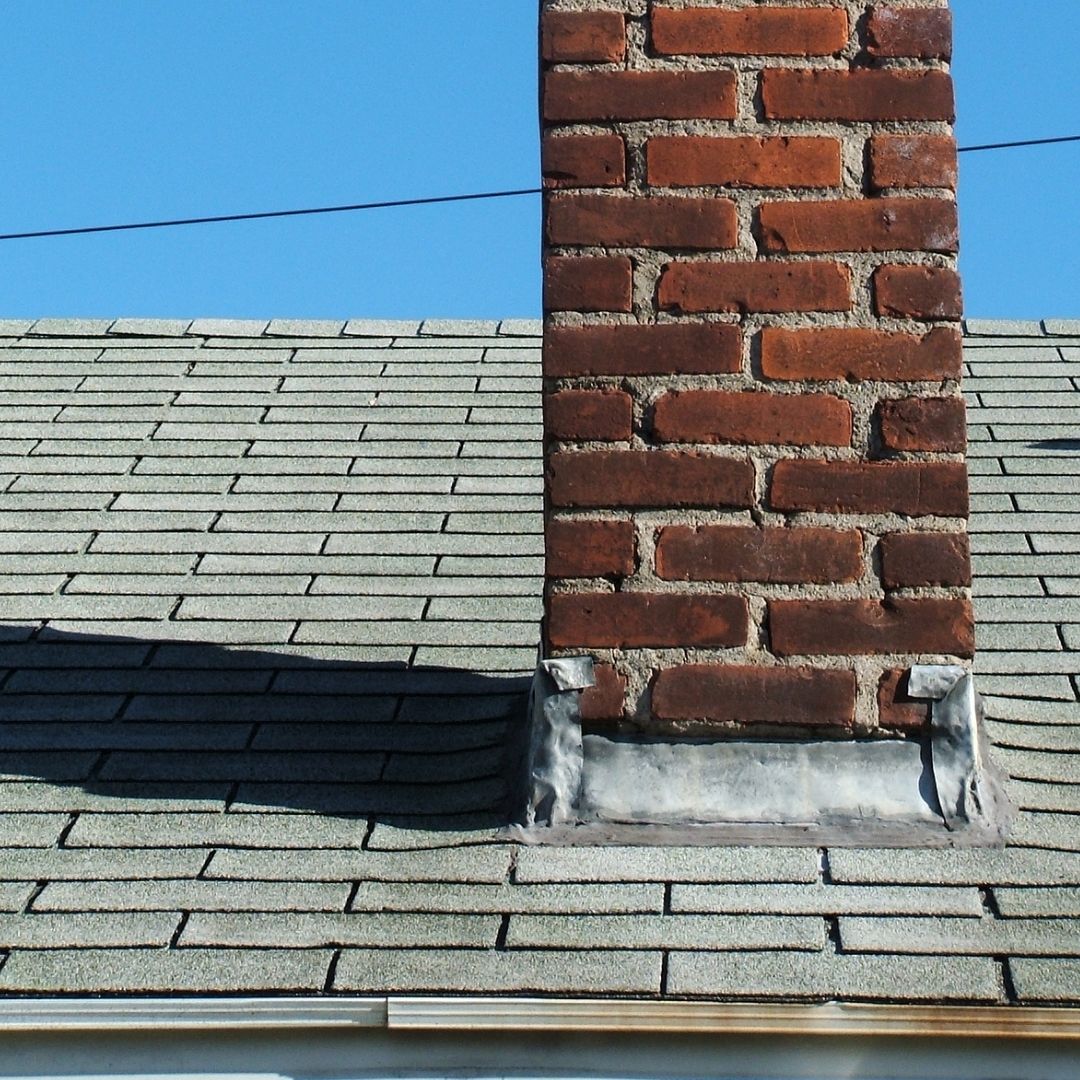
Step flashing runs along the sides of the chimney in short sections that overlap like shingles, with each piece tucked beneath a roofing course and bent up against the chimney face. Counterflashing is installed over the step flashing and embedded into mortar joints or fastened to metal cladding, creating a two-stage barrier. When both layers are intact and sealed, water running down the roof hits step flashing and is directed away from the chimney, while water running down the chimney face hits counterflashing and is shed onto the roof surface rather than slipping behind the metal.
After repairs, you'll see clean metal flashing that sits flush against both the chimney and the roofing, with no visible gaps or corroded spots. Water stains on interior ceilings stop expanding, attic spaces near the chimney stay dry during rain and snowmelt, and the roof deck around the penetration no longer shows signs of moisture intrusion. Bangor's freeze-thaw cycles and heavy precipitation demand flashing details that remain sealed through temperature swings and seasonal weather patterns.
Flashing repairs work with asphalt shingle, metal, and slate roofing systems, though the installation method varies based on how the roofing material interlocks and how flashing pieces are secured. Repairs don't address underlying masonry deterioration—cracked bricks, crumbling mortar joints, or a leaning chimney structure require separate masonry work to prevent ongoing movement that stresses flashing connections.
Answers to Frequent Flashing Questions
Homeowners often want to understand what causes flashing to fail and how repairs restore watertight protection around chimney penetrations.
What causes chimney flashing to leak?
Sealant between metal and masonry dries out and cracks with age, step flashing pieces pull away from shingles as roofing materials expand and contract, and counterflashing separates from mortar joints when freeze-thaw cycles degrade the bond. Any of these failures creates a path for water to bypass the protective barrier and enter the roof assembly.
How do you repair flashing without replacing the entire roof?
Step flashing is installed beneath shingles, so repairs involve carefully lifting the roofing courses adjacent to the chimney, removing old flashing, and sliding new pieces into position before re-securing the shingles. This localized work doesn't require disturbing the rest of the roof.
Can flashing be repaired on older chimneys?
Yes, as long as the chimney structure itself is sound and mortar joints can hold new counterflashing. If the masonry is crumbling or the chimney is leaning, those issues need to be addressed first to ensure flashing repairs will last and won't be stressed by ongoing movement.
Does chimney flashing need to be replaced when re-roofing?
Flashing should be evaluated during roof replacement and typically needs renewal since it's often damaged when old shingles are removed. New flashing integrates with the new roofing system and ensures the chimney penetration remains watertight for the life of the roof.
How can I tell if my chimney flashing is failing?
Look for water stains on ceilings near the chimney, rust streaks on the flashing metal, visible gaps between flashing and masonry, or damp spots in the attic after rain. Bangor winters also reveal flashing problems when ice dams form around the chimney and meltwater finds its way through compromised seals.
MJJ Roofing & Siding restores watertight barriers around chimney penetrations using flashing methods that handle Maine weather. Arrange an evaluation to identify failing components and prevent continued water intrusion into your roof assembly.