Protecting Flues From Weather and Wildlife Entry
Chimney Capping in Bangor for open flues exposed to rain, snow, animals, and wind-driven debris
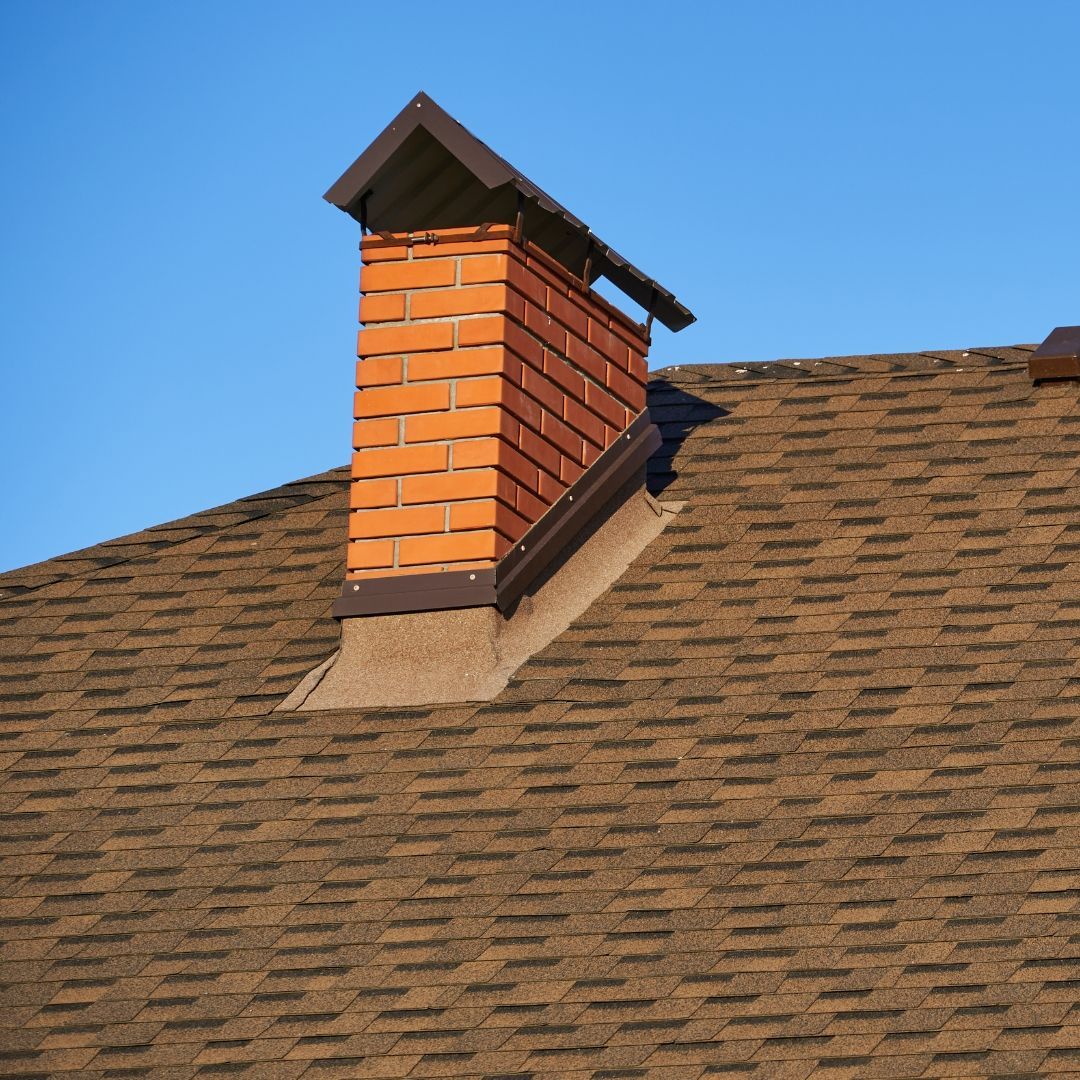
Open chimney flues allow rain and melting snow to enter directly, saturating the interior masonry and damaging fireplace components while creating conditions where animals nest inside the structure. A chimney cap installed by MJJ Roofing & Siding blocks precipitation and wildlife from entering the flue while maintaining proper ventilation for combustion systems. This protective barrier matters most for chimneys showing water staining inside the firebox, evidence of animal activity, or accumulations of leaves and debris that restrict airflow and create fire hazards.
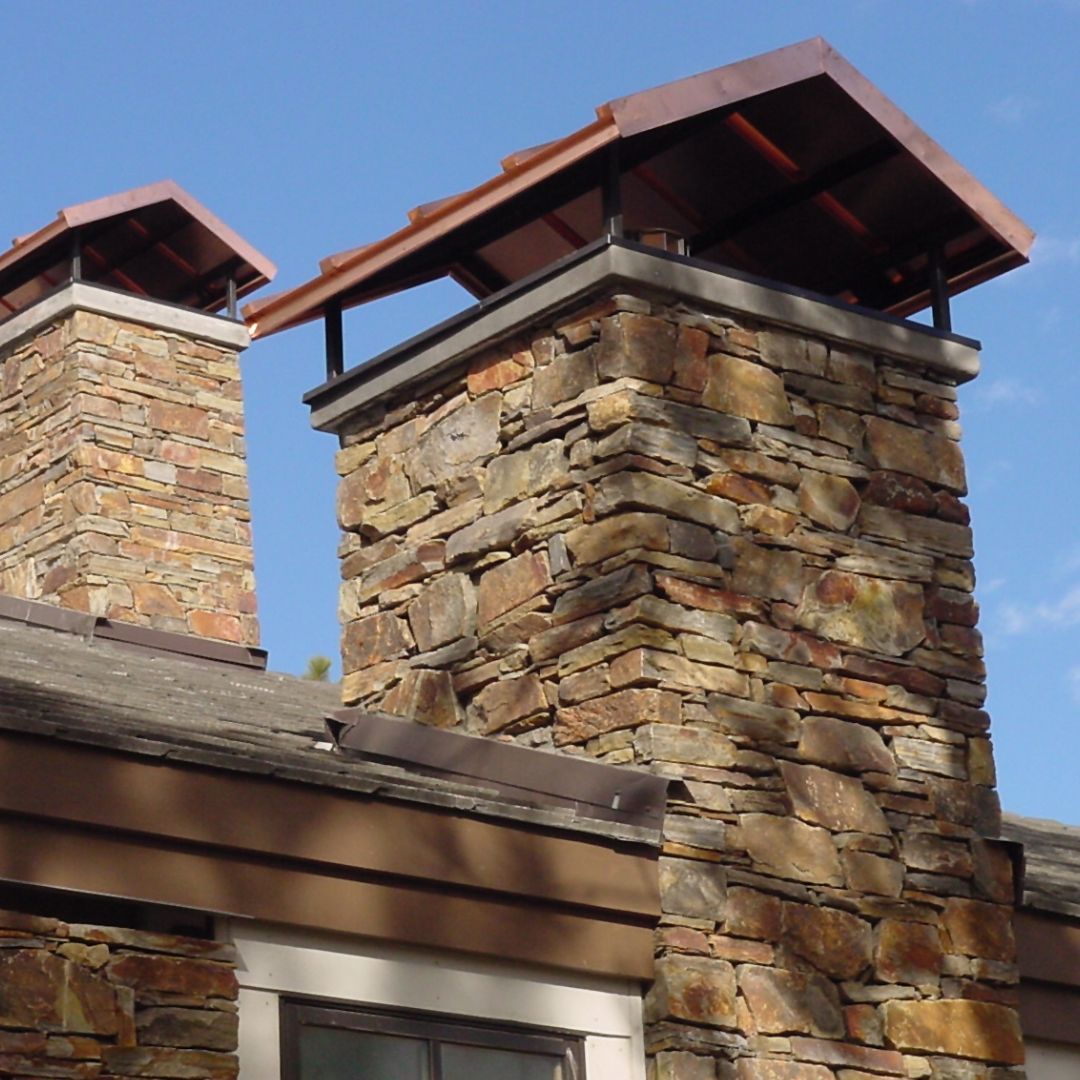
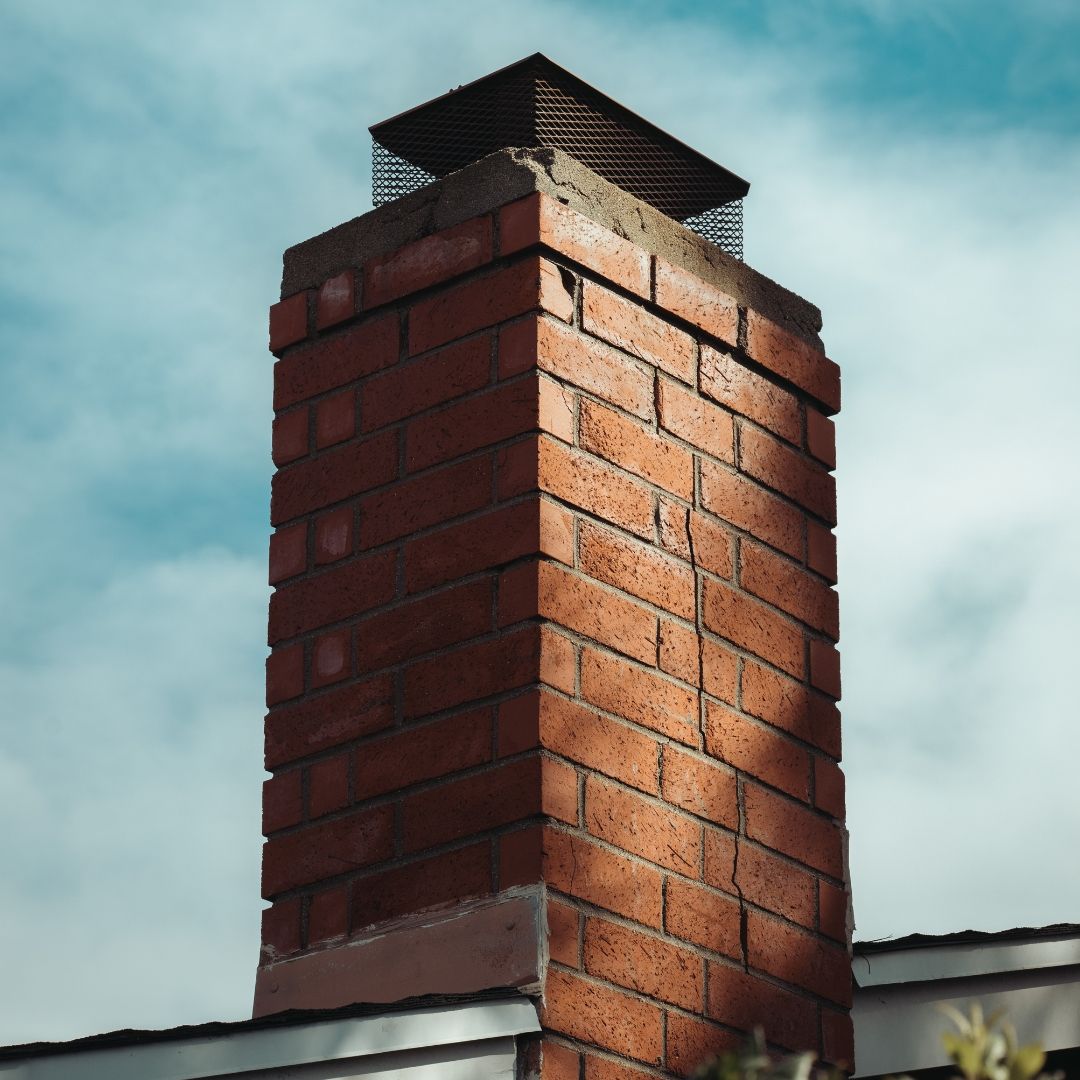
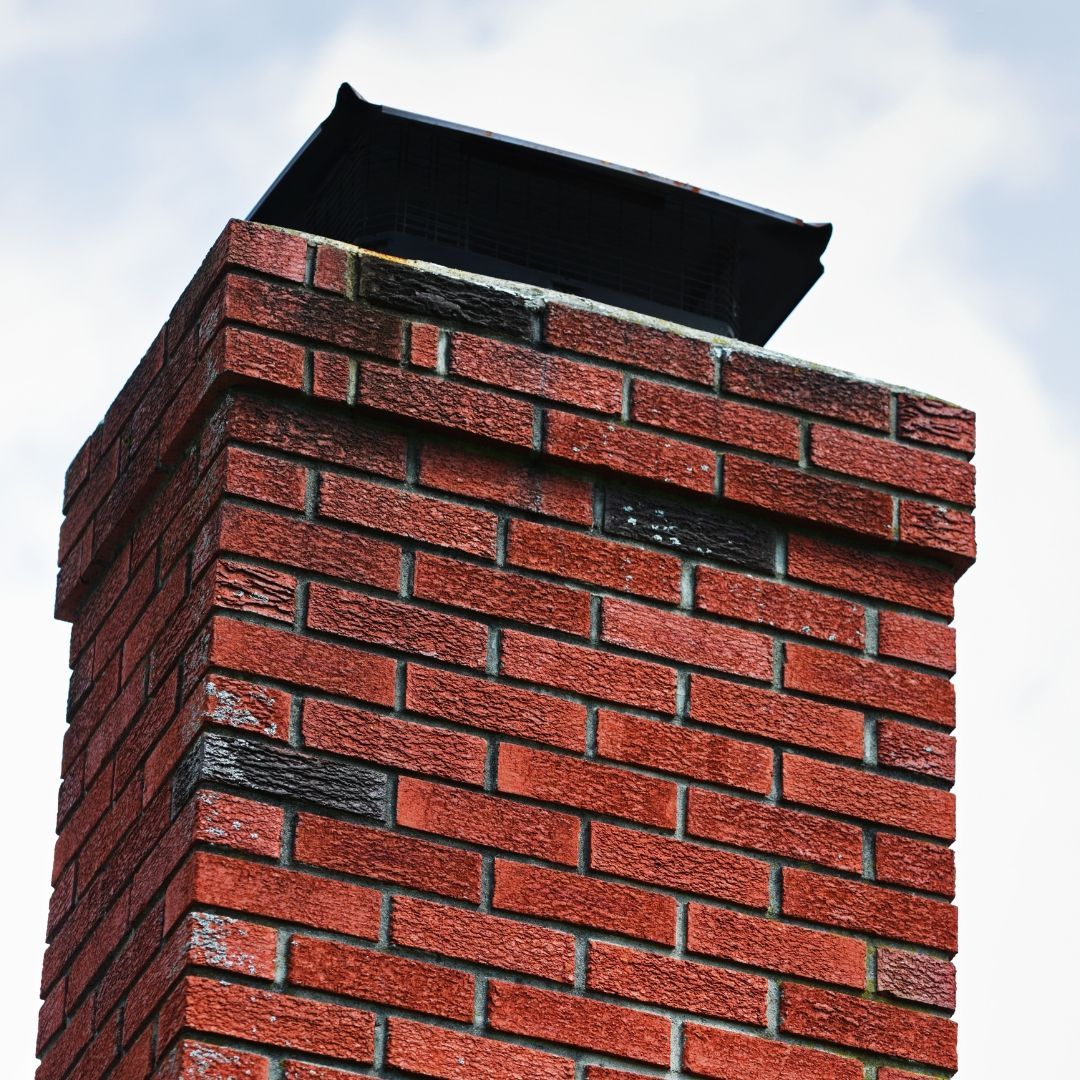
Chimney caps combine a solid top surface that sheds water away from the flue opening with mesh screening that blocks birds, squirrels, raccoons, and bats without restricting smoke and exhaust gases from venting properly. The design also prevents wind from creating downdrafts that push smoke back into living spaces, a common problem during Bangor's winter storms when high winds hit uncapped chimneys at certain angles.
Arrange a cap installation consultation to review your chimney's dimensions and select materials designed for long-term exposure to Maine coastal weather.
Request a free quote today!
Contact Us
We will get back to you as soon as possible.
Please try again later.
What Proper Chimney Caps Accomplish
Caps function as weatherproof covers that stop moisture intrusion while allowing continuous airflow through the flue system. Durable materials like stainless steel or copper resist corrosion from acidic flue gases and salt air, maintaining structural integrity and appearance for decades without requiring replacement. The elevated design keeps the cap surface above the flue opening, which allows smoke and gases to exit freely while preventing rain from falling straight down into the chimney structure.
Once a cap is installed, you'll notice the firebox stays dry between uses, with no water pooling on damper assemblies or staining brick interiors. The chimney no longer produces animal sounds or odors from nesting activity, and you won't find twigs, leaves, or other debris accumulating on the smoke shelf. Draft performance improves because wind can no longer create pressure differentials that force air down the flue, which means fires draw properly and smoke vents consistently outdoors rather than spilling into rooms.
Caps also reduce maintenance frequency by keeping corrosive moisture away from metal dampers and flue liners that deteriorate rapidly when exposed to repeated wetting and drying cycles. This preventive approach costs significantly less than repairing water-damaged flue systems or removing animal nests that block ventilation. Material selection affects longevity, with stainless steel offering reliable performance in varying weather conditions and copper developing a protective patina that enhances weather resistance over time.
Common Questions About This Service
Homeowners considering chimney caps typically want to understand how these components function and what installation involves for their specific structure.
What materials work best for chimney caps in coastal Maine?
Stainless steel provides excellent corrosion resistance against salt air and acidic condensation from flue gases, maintaining structural integrity without degrading in Bangor's variable weather conditions.
How does a cap affect fireplace draft and performance?
Properly designed caps improve draft by eliminating downdrafts caused by wind while maintaining unrestricted airflow for combustion gases, which means fires burn more efficiently and smoke vents reliably outdoors.
Why does mesh screening matter on chimney caps?
Screening blocks animals from entering and nesting while keeping leaves and debris out of the flue, which prevents blockages that create dangerous smoke spillage into living areas and fire hazards from accumulated combustible material.
When should a chimney cap be replaced rather than installed new?
Existing caps require replacement when rust perforates the metal, mesh screening develops holes large enough for animals to enter, or mounting hardware fails and allows the cap to shift or detach during storms.
What happens during a cap installation?
The chimney crown dimensions are measured, the appropriate cap size is selected and secured to the structure, and mesh screening is verified to have openings small enough to exclude wildlife while allowing proper ventilation.
MJJ Roofing & Siding installs chimney caps designed to protect your flue system from weather and wildlife while maintaining proper ventilation for safe operation. Schedule an installation appointment to secure your chimney against moisture intrusion and prevent costly repairs from unprotected flue exposure.