
Sinding installation That Withstands Maine Weather Exposure
Siding Installation in Bangor for new construction, whole-house remodeling, and properties with failing exterior cladding
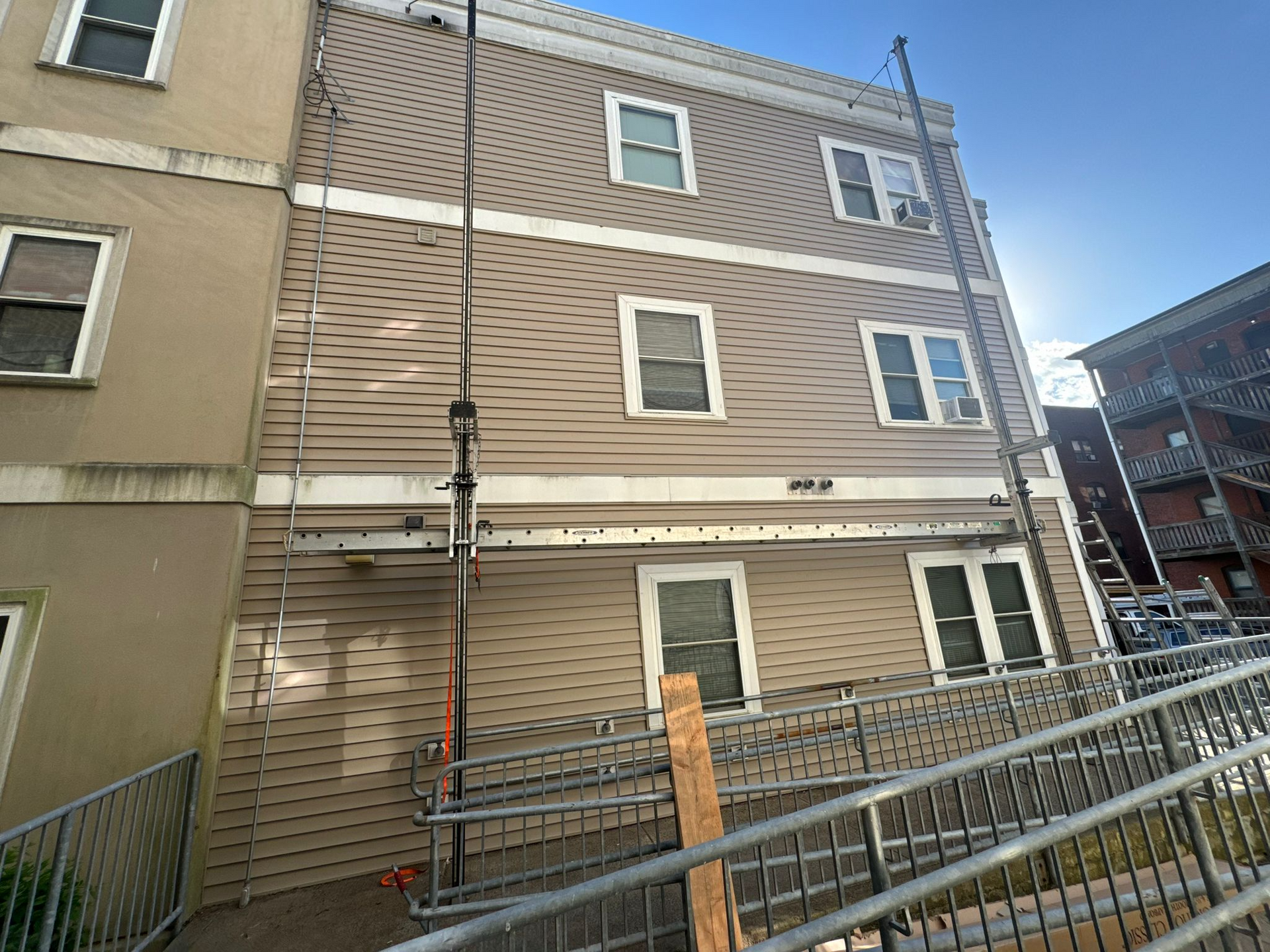
Siding failures show up as paint peeling from moisture trapped behind the cladding, as warped boards that no longer seal against weather, or as visible gaps where wind-driven rain penetrates wall assemblies. New siding installation addresses these failures while improving insulation values and updating exterior appearance on homes where the existing cladding has reached the end of its functional life. MJJ Roofing & Siding handles siding installation in Bangor for remodeling projects and new construction, selecting materials that balance durability with maintenance requirements appropriate for Maine's coastal climate and freeze-thaw cycles.
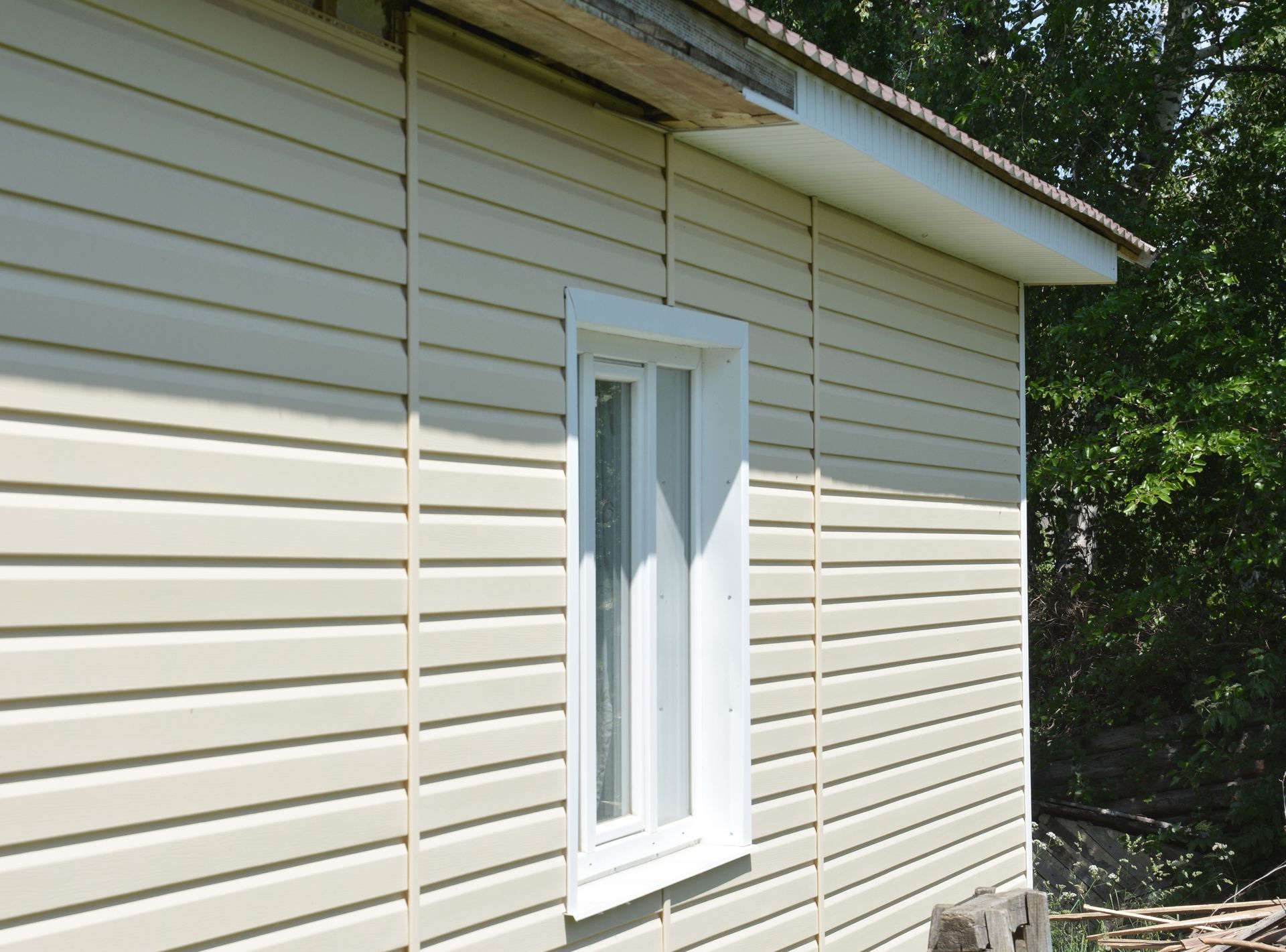
The work involves removing old siding when present, inspecting and repairing sheathing and moisture barriers, and installing new cladding with proper flashing around windows and doors. Material options include vinyl siding that requires minimal maintenance, fiber cement that resists rot and insect damage, and engineered wood products that provide natural appearance with improved weather resistance. Quality workmanship ensures that siding is installed level, fastened correctly to allow thermal movement, and detailed properly at corners and penetrations where water intrusion typically occurs.
Schedule a consultation to review material options and discuss how new siding will improve your home's weather protection and appearance.
Request a free quote today!
Contact Us
We will get back to you as soon as possible.
Please try again later.
What Proper Siding Installation Requires
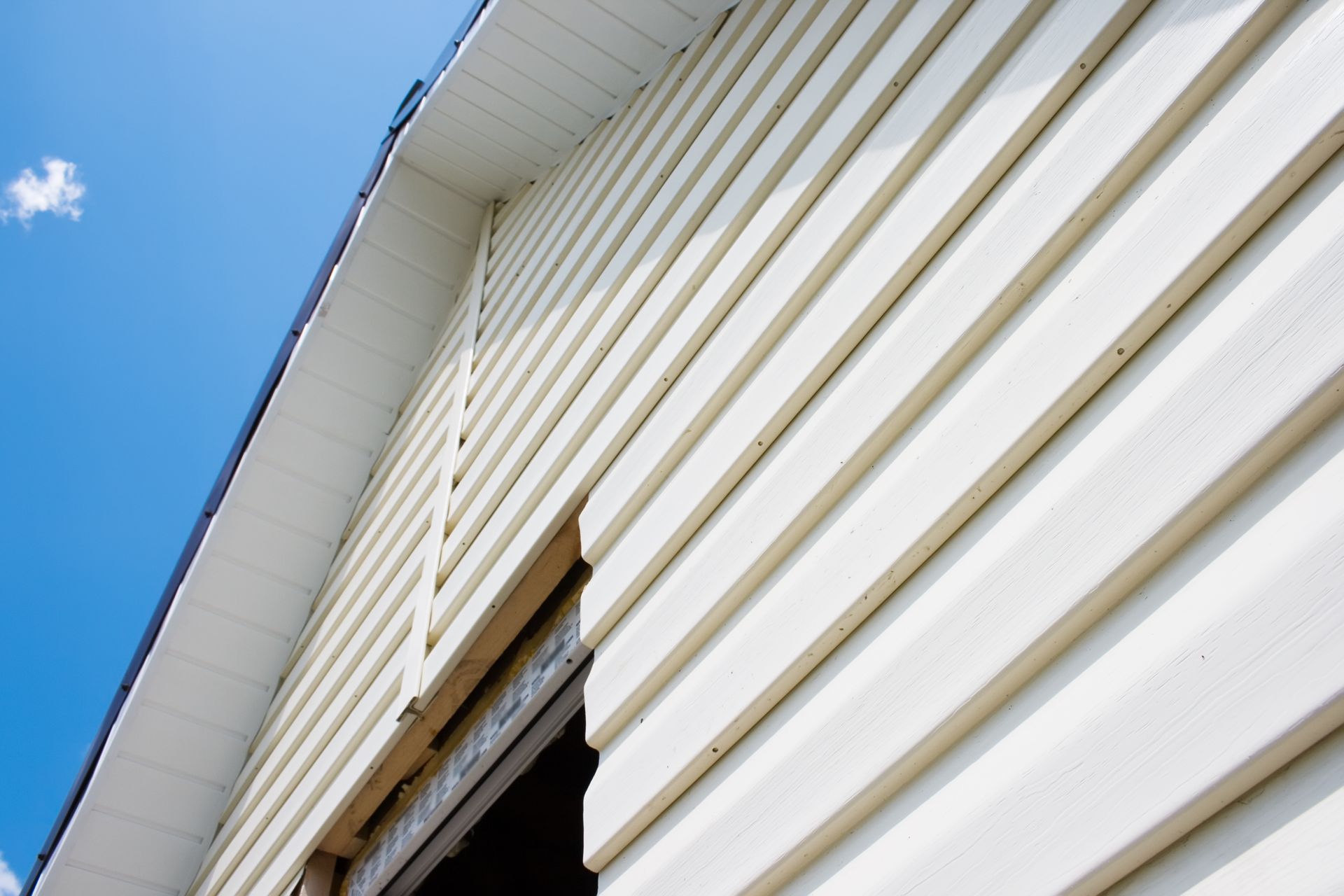
Installation begins with verifying that the wall plane is straight and that sheathing provides a solid nailing surface, because siding installed over irregular surfaces creates gaps and visual waves that undermine both performance and curb appeal. Moisture barriers go on before siding, flashing is integrated around all openings, and starter strips establish level reference lines that keep courses straight. Each material has specific fastening requirements—drive nails too tight and vinyl buckles from thermal expansion, space them incorrectly and fiber cement cracks from wind loads.
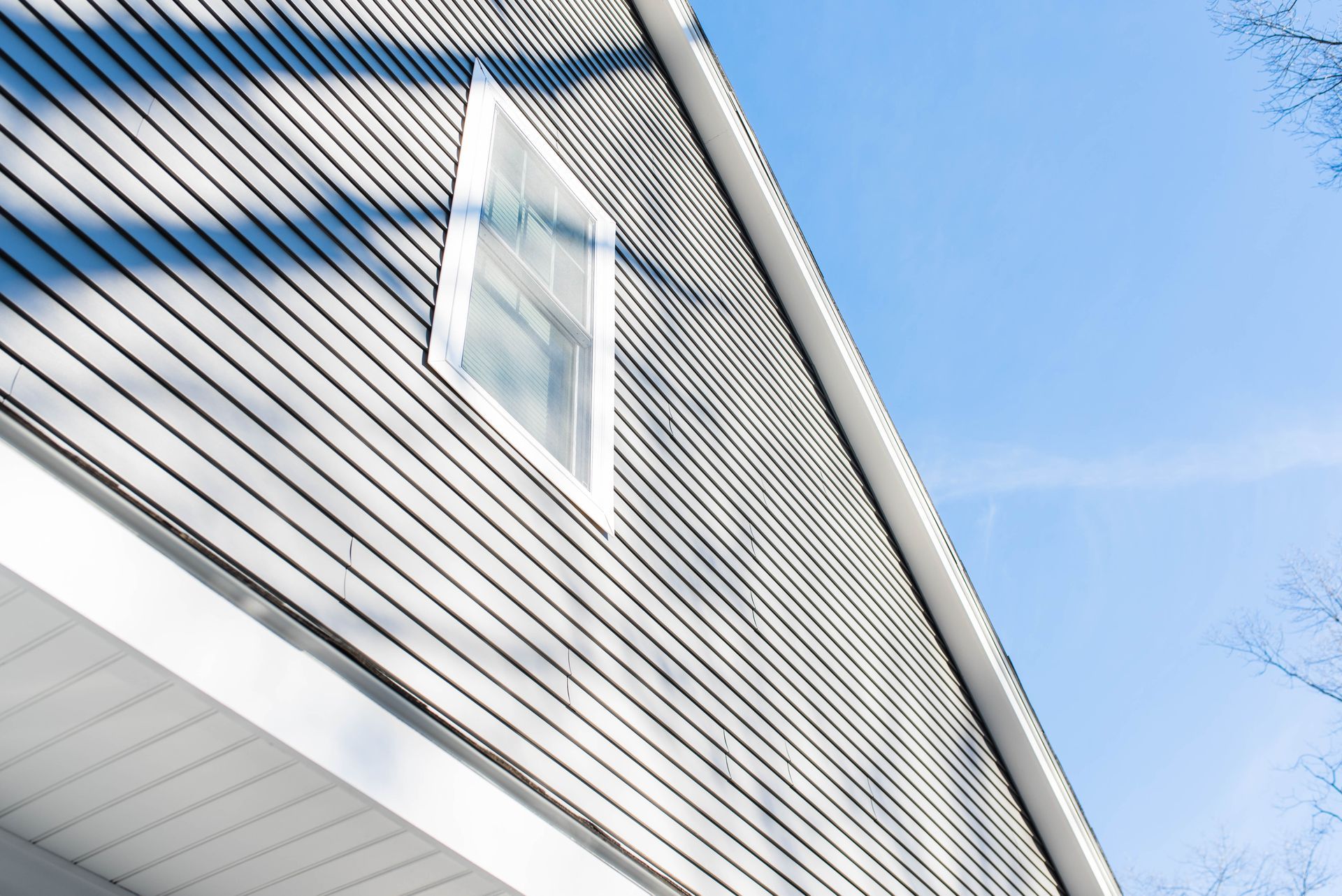
Once siding installation is complete, your home sheds water away from the structure rather than allowing it to migrate behind the cladding, and exterior walls resist heat loss more effectively due to improved insulation and air sealing. The updated exterior changes the home's appearance dramatically, increasing curb appeal and property value while eliminating the maintenance burden of scraping and repainting that comes with deteriorated wood siding. You notice lower heating costs when insulated siding or additional wall insulation is part of the project.
Long-term durability depends on material choice and installation quality, with vinyl siding lasting decades without painting but becoming brittle in extreme cold, fiber cement requiring periodic painting but resisting moisture damage, and engineered wood offering authentic appearance with factory finishes that outperform traditional paint. The decision involves balancing upfront cost against maintenance requirements and expected service life, with consideration for how each material performs in humid coastal conditions and cold winters typical of the region.
What Property Owners Usually Ask about siding installation
Homeowners planning siding projects need information about material performance, installation details, and what changes to expect.
What siding materials work best in Maine's climate?
Vinyl siding resists moisture and requires no painting but can crack in severe cold, fiber cement withstands freeze-thaw cycles and resists rot but needs repainting every decade, and engineered wood provides natural appearance with better moisture resistance than traditional wood. The choice depends on your maintenance preferences, budget, and aesthetic priorities.
How does new siding improve insulation and weather protection?
Modern installation includes house wrap or moisture barriers that prevent water intrusion while allowing vapor to escape, and many products include foam backing that adds insulation value. Proper flashing around windows and doors stops the water penetration that caused failures in the old siding, while continuous coverage eliminates the drafts common with deteriorated or poorly fitted cladding.
What happens during the installation process?
Old siding is removed and disposed of, sheathing is inspected and repaired where damaged, new moisture barriers are installed, flashing is integrated around all openings, and new siding is installed from bottom to top with proper fastening and overlap. Trim work around windows, doors, and corners is completed last, creating finished transitions that complete the weatherproof envelope.
How long does siding installation take?
Whole-house projects typically require one to three weeks depending on home size, material choice, and the extent of sheathing repairs needed. Weather delays can extend timelines during rainy periods, though most work continues in dry conditions even when temperatures drop, as long as materials remain workable and fasteners can be driven properly.
What maintenance will the new siding require?
Vinyl needs periodic washing to remove dirt and mildew but requires no painting or sealing, fiber cement needs repainting every ten to fifteen years and caulk inspection around trim, and engineered wood benefits from annual inspections to catch any finish damage before moisture penetrates. All materials require keeping vegetation trimmed back and ensuring that sprinklers don't constantly wet the siding.
MJJ Roofing & Siding provides professional siding installation with attention to flashing details and moisture management that determine long-term performance. Set up an appointment to walk through material options and get a detailed estimate for your remodeling or new construction project.