Flat rubber Roofs Built for Long-Term Moisture Protection
EPDM / TPO Roofing in Bangor for commercial buildings, low-slope structures, and properties requiring reliable flat roof systems
Low-slope roofs on commercial buildings and certain residential structures accumulate standing water, face constant UV exposure, and require membrane systems that remain flexible through Maine's temperature extremes. EPDM and TPO roofing provide two proven approaches to this challenge, each with distinct installation methods and performance characteristics. MJJ Roofing & Siding installs both systems in Bangor for property owners replacing aging flat roofs or constructing new low-slope buildings that need dependable moisture barriers.
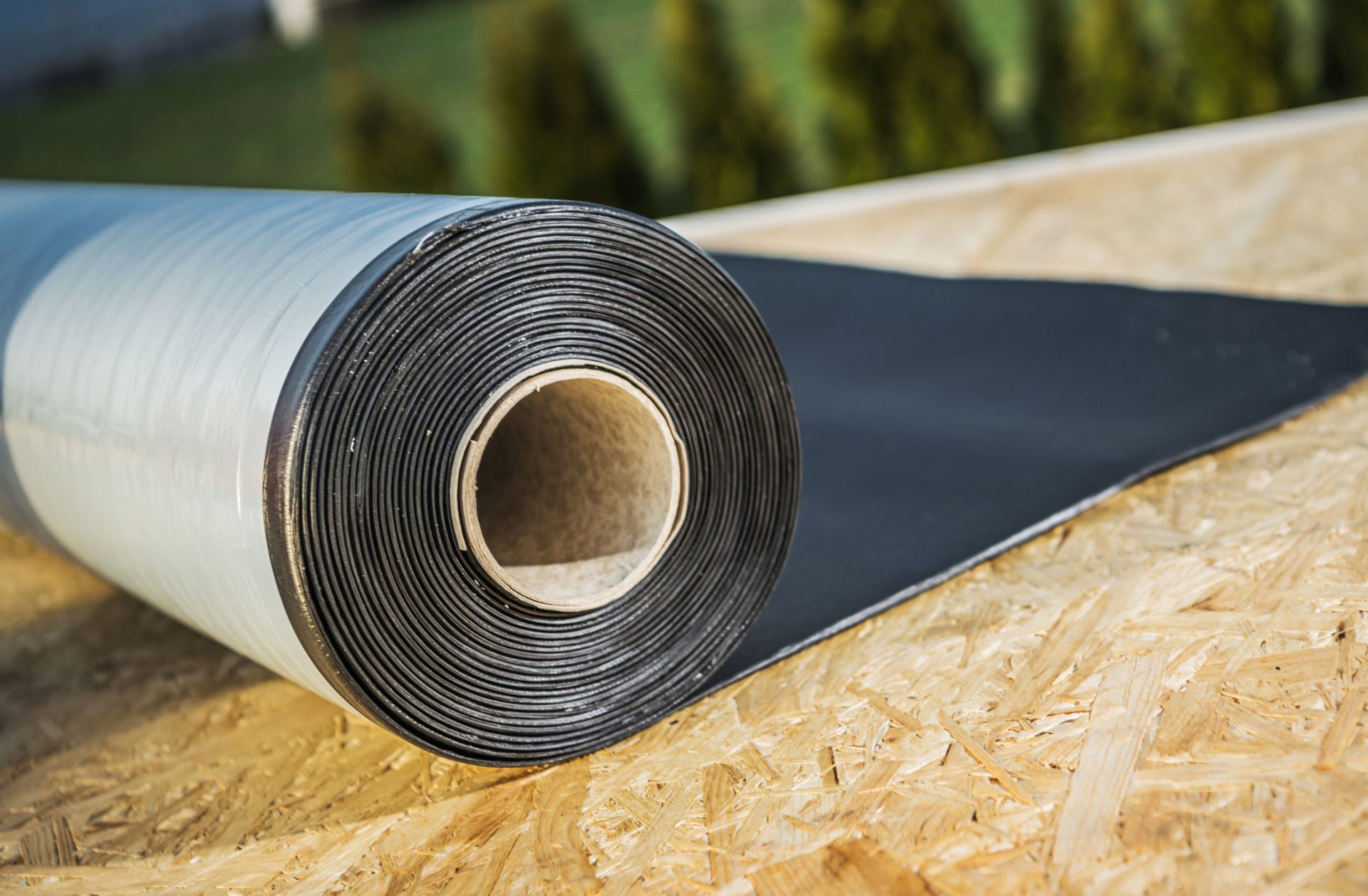
EPDM is a rubber membrane that tolerates temperature fluctuations and resists punctures, while TPO is a thermoplastic material with heat-welded seams that create watertight bonds stronger than the membrane itself. Both systems prevent moisture intrusion on roofs where traditional shingles cannot function, and both offer energy-efficient options through reflective coatings or white membranes that reduce cooling loads. Professional installation determines whether these systems perform as designed or fail prematurely.
Schedule a building evaluation to assess which membrane system suits your roof configuration and performance requirements.
Request a free quote today!
Contact Us
We will get back to you as soon as possible.
Please try again later.
Why Membrane Choice Matters for Low-Slope Applications
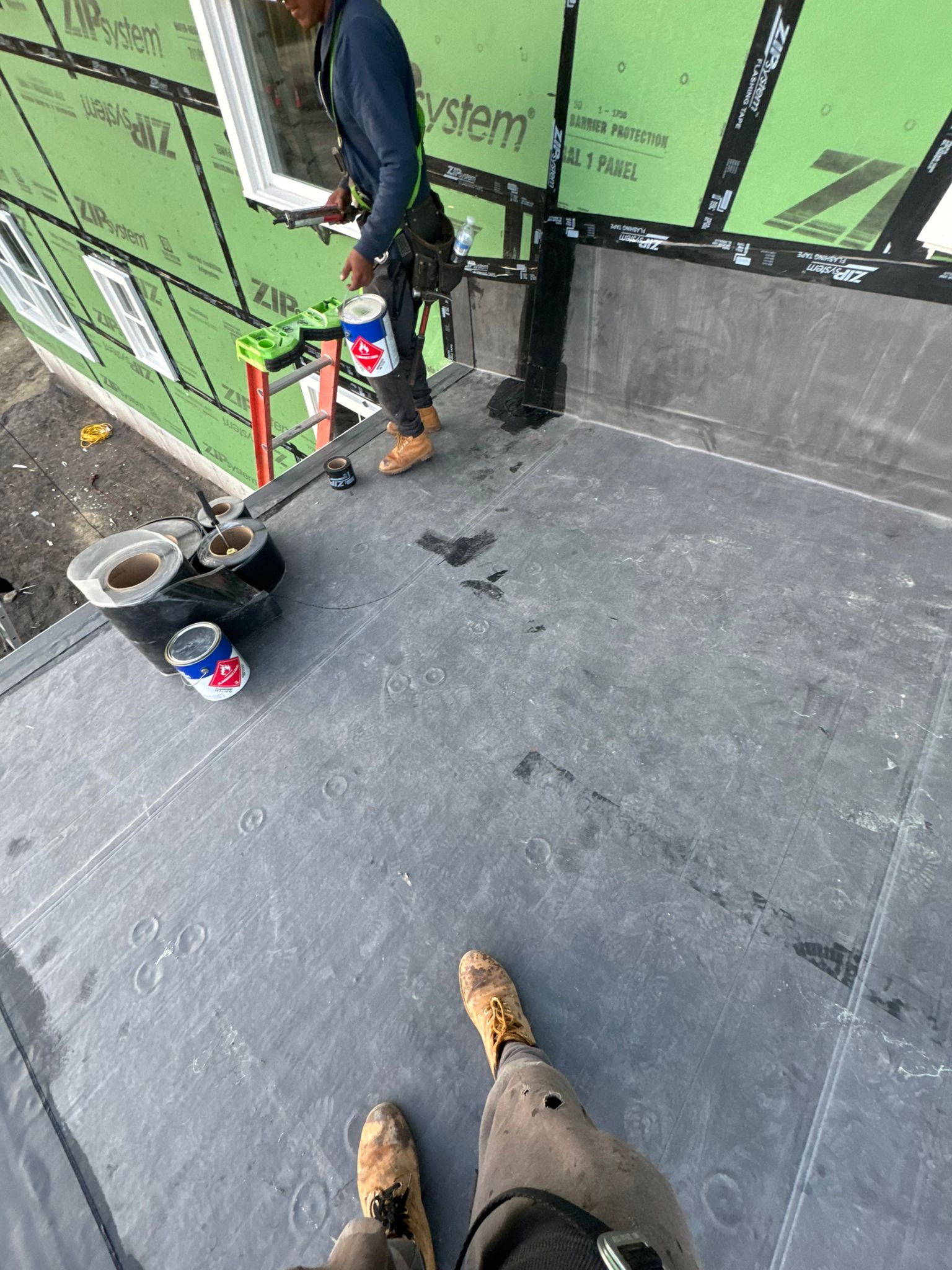
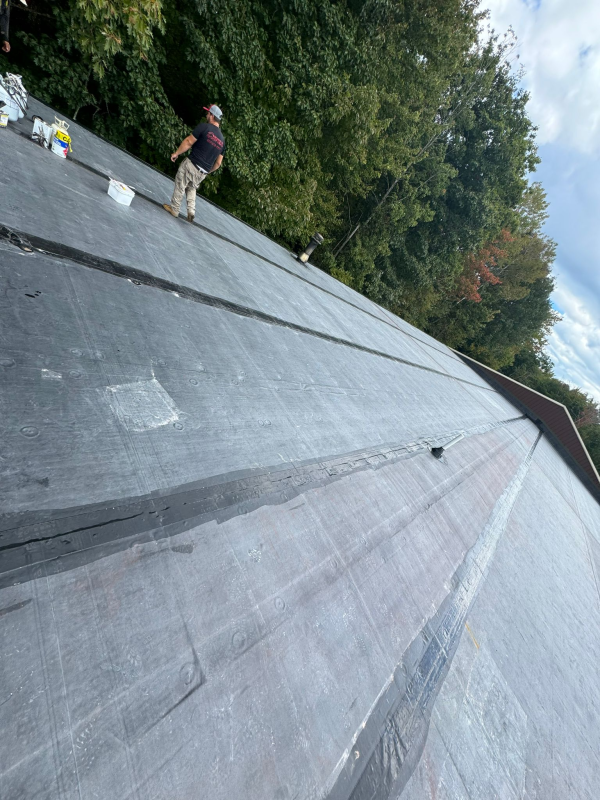
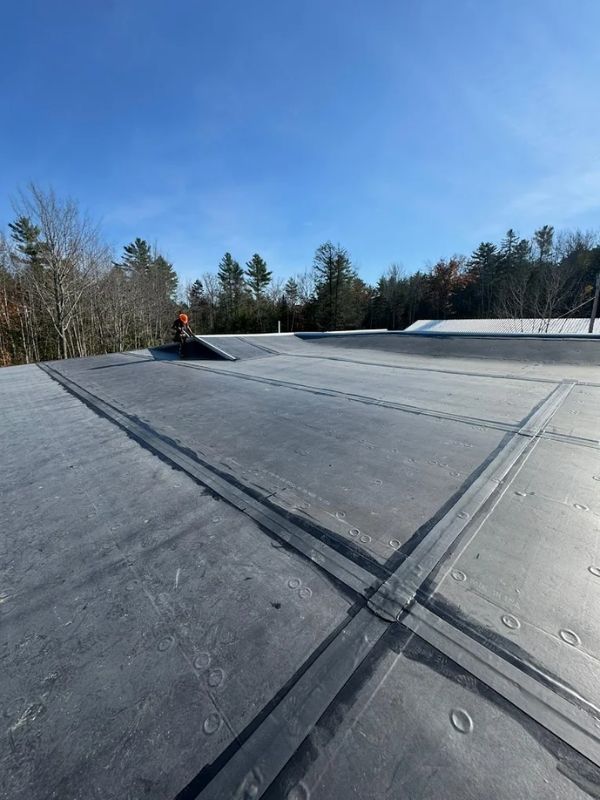
The installation process differs significantly between EPDM and TPO, affecting long-term durability and maintenance needs. EPDM seams are typically adhered with tape or liquid adhesives, creating joints that require periodic inspection, while TPO seams are heat-welded, forming bonds that eliminate the weak points common in mechanically fastened or glued systems. Both membranes are installed over insulation boards and a cover board that protects the membrane from punctures and distributes foot traffic loads.
Once the system is complete, water flows to drains without pooling in low spots, and the roof surface withstands freeze-thaw cycles without cracking or separating. You no longer see interior leaks during heavy rain, and the building maintains more stable interior temperatures due to improved insulation and reflective roof surfaces. The system provides reliable weather protection for commercial operations, multifamily housing, and other structures where roof failures disrupt business or living conditions.
Both EPDM and TPO systems accommodate repair and replacement solutions for aging flat roofs that have reached the end of their functional life. The choice between systems depends on building use, budget considerations, and whether reflectivity or puncture resistance takes priority. Proper drainage design and insulation placement remain critical regardless of membrane type, as standing water and thermal bridging undermine even the best materials.
Common Questions About EPDM and TPO Systems
Property owners evaluating membrane roofing options often need clarification on system differences and installation requirements.
What is the main difference between EPDM and TPO roofing?
EPDM is a synthetic rubber installed in large sheets with seams joined by adhesive or tape, while TPO is a plastic-based membrane with seams that are heat-welded together. The welded seams in TPO systems create stronger joints, but EPDM offers better impact resistance and flexibility in extreme cold.
How do these systems handle Maine winters?
Both membranes remain flexible in freezing temperatures and resist the expansion and contraction cycles that crack rigid roofing materials. Proper insulation below the membrane prevents heat loss that causes ice buildup, and secure attachment methods keep the roof intact during high winds and snow loads common in the Bangor area.
What kind of maintenance do flat roofs require?
Periodic inspections check for punctures, seam separation, and debris accumulation around drains that can cause standing water. Membrane systems benefit from scheduled cleanings that remove dirt and organic growth, which extends the reflectivity of light-colored TPO and prevents deterioration from prolonged moisture contact.
How long do EPDM and TPO roofs typically last?
Both systems are engineered for multi-decade service lives when installed correctly and maintained regularly. Performance depends on membrane thickness, attachment method, insulation quality, and whether the roof experiences heavy foot traffic or equipment loads that accelerate wear.
Can you repair these roofs or do they require full replacement?
Minor punctures and seam failures can be patched or re-welded without replacing the entire membrane. Once widespread deterioration occurs or the membrane becomes brittle from prolonged UV exposure, replacement becomes necessary to restore reliable moisture protection.
MJJ Roofing & Siding provides professional installation, repair, and replacement services for both EPDM and TPO roofing systems. Arrange a property assessment to review material options and determine the best approach for your building's specific conditions.