
Clear Channels That Actually Drain
Gutter Cleaning in Bangor for systems clogged with leaves, pine needles, and debris that block downspouts and cause overflow
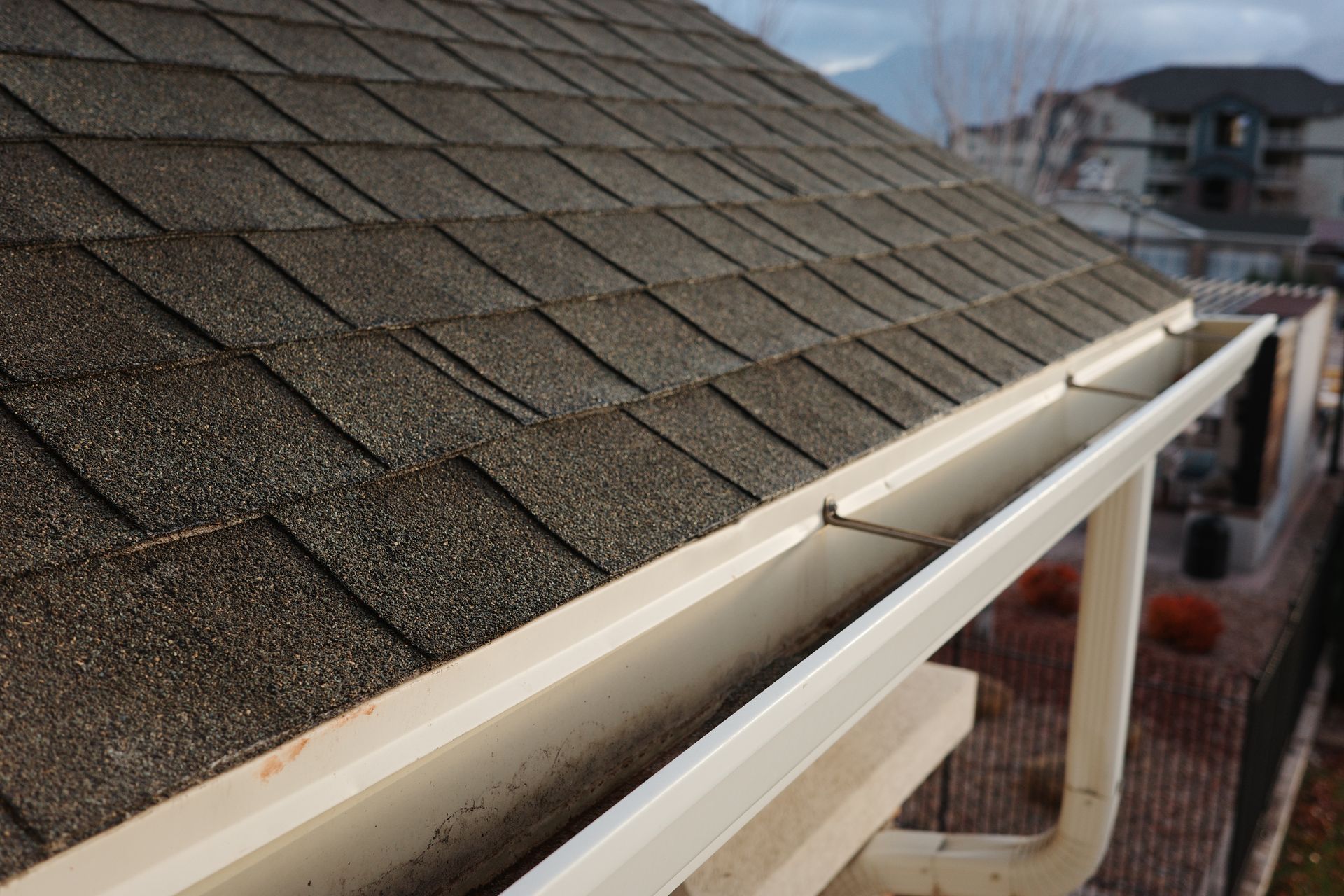
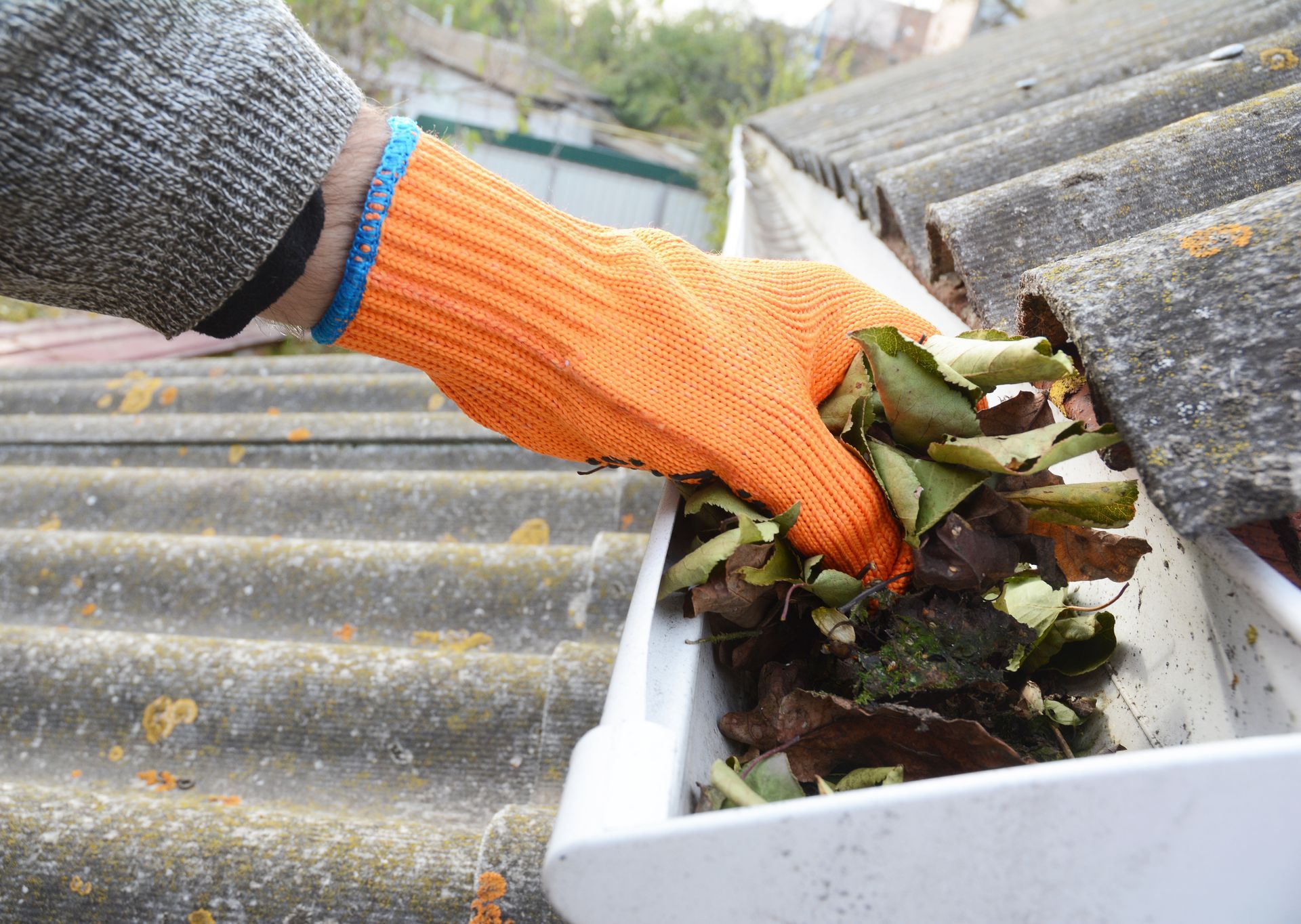
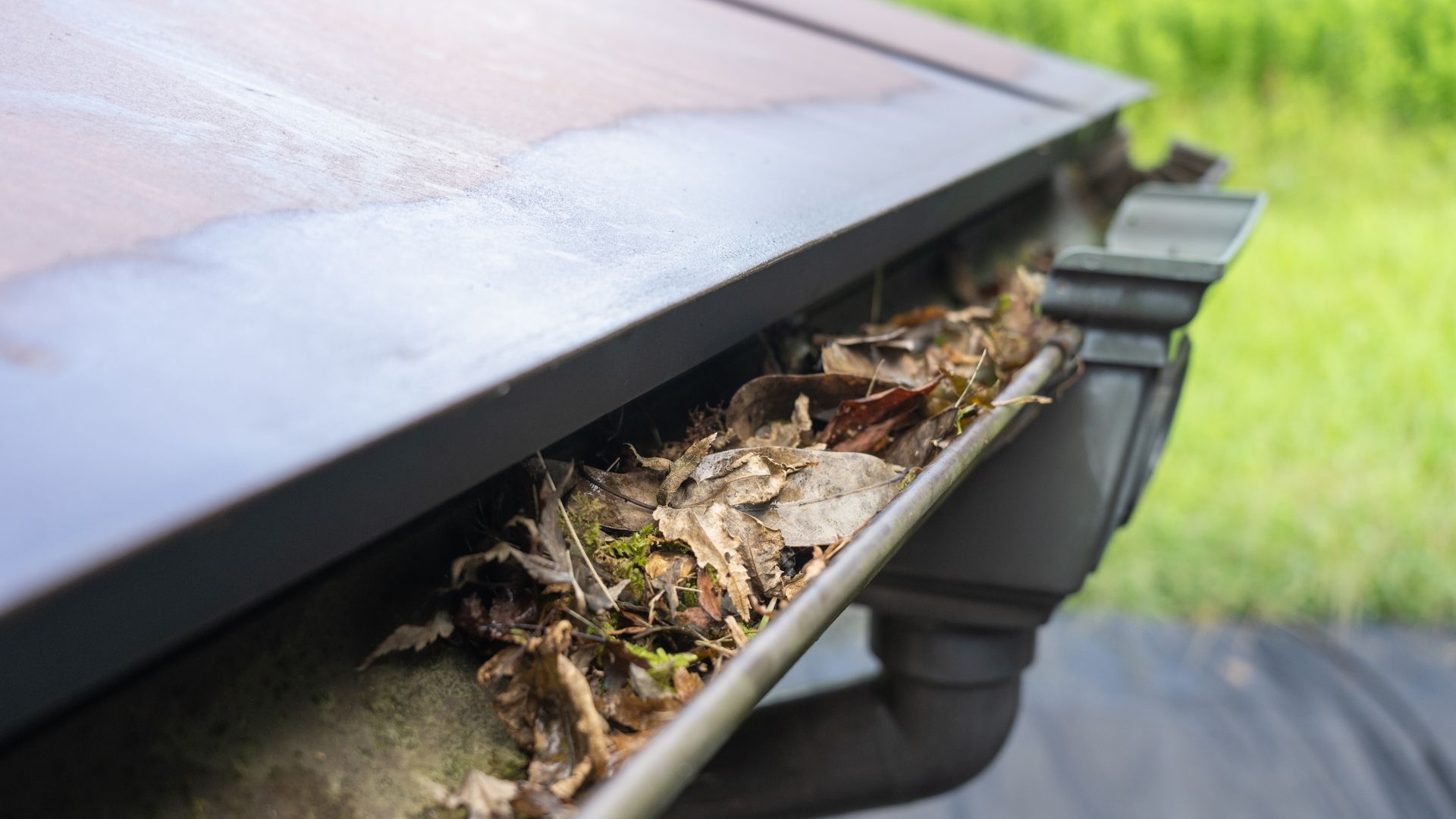
Gutters clogged with decomposing leaves and compacted debris no longer move water away from your foundation, and the backup causes runoff to spill over edges or seep under shingles at the roof line. This happens after autumn leaf drop, after storms deposit twigs and organic material into channels, or when pine needles mat into a dense layer that blocks downspout openings. Routine cleaning removes the buildup before it traps standing water that freezes in winter, rusts metal troughs, or rots wood fascia behind the gutter.
The cleaning process involves removing all debris by hand or with tools that don't scratch gutter interiors, flushing downspouts to confirm water flows freely, and checking that the system still slopes correctly toward outlets. MJJ Roofing & Siding inspects for damage while clearing blockages—loose hangers, separated seams, or areas where standing water has corroded the metal.
Schedule service in late fall after deciduous trees drop their leaves and again in spring after winter debris has settled.
Request a free quote today!
Contact Us
We will get back to you as soon as possible.
Please try again later.
What Restored Flow Prevents
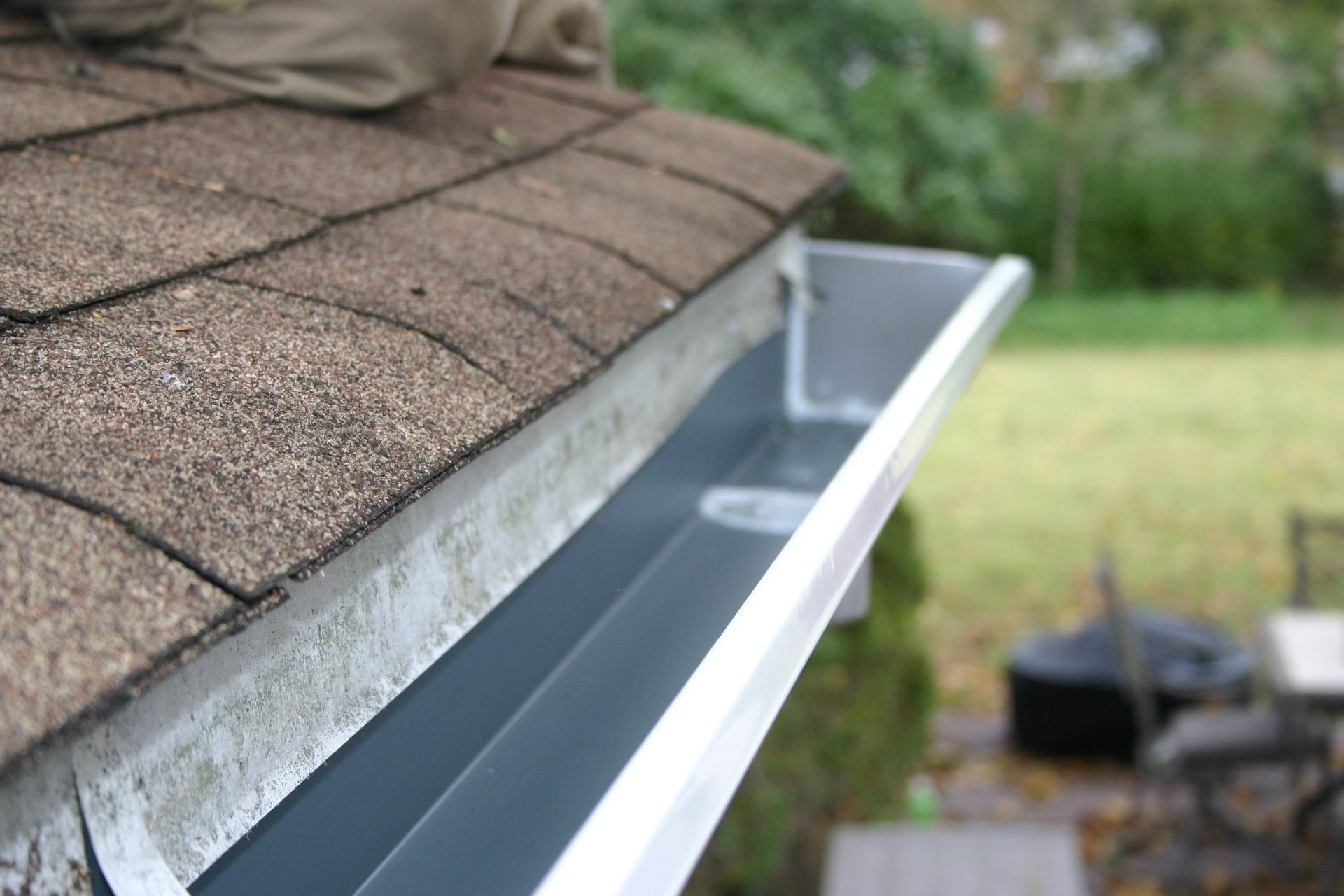
Clean gutters channel roof runoff into downspouts and away from the building envelope, so water doesn't saturate soil along foundation walls or splash back onto siding. When debris no longer dams the flow, rainfall exits the system as designed rather than overflowing at seams or pooling in low spots. Downspouts discharge water several feet from the house instead of allowing it to seep into basement wall joints or undermine foundation footings.
You'll notice that rain no longer cascades off roof edges in sheets, that water stains stop appearing on siding below the gutters, and that soil erosion around foundation plantings ceases. Interior signs of water intrusion—basement dampness, efflorescence on foundation walls, or ceiling stains near exterior walls—often diminish once gutters drain properly again. Bangor's wet springs and heavy autumn rains make functional drainage critical to preventing moisture problems that develop slowly over multiple seasons.
Cleaning frequency depends on tree cover and roof exposure. Properties surrounded by maples, oaks, or pines require more frequent attention than homes with minimal overhead branches. Gutter guards reduce but don't eliminate the need for periodic inspection and clearing, since fine debris and roof grit still accumulate over time.
Questions Homeowners Have About Maintenance
Understanding how often to clean gutters and what the process involves helps prevent drainage failures and the damage they cause.
How often should gutters be cleaned in Bangor?
Most properties require cleaning at least twice a year—once after fall leaves drop and again in late spring after winter debris and seed pods have accumulated. Homes with heavy tree cover or pine needles may need quarterly cleaning to prevent clogs from forming.
What happens if downspouts are blocked?
Water backs up into the gutter trough, causing overflow at seams or over the top edge. The standing water freezes in winter, adding weight that pulls gutters away from fascia boards and creates ice dams that force meltwater under shingles and into wall cavities.
Can clogged gutters damage the foundation?
When gutters overflow, concentrated runoff lands directly beside foundation walls instead of being directed away through downspouts and extensions. This saturates the soil, increases hydrostatic pressure against basement walls, and can cause settling, cracking, or water infiltration over time.
Do gutter guards eliminate the need for cleaning?
Guards reduce the volume of large debris entering the system but don't prevent roof grit, pine needles, or small organic material from accumulating. Most guard systems still require periodic inspection and occasional clearing to maintain full drainage capacity.
What should I look for when gutters are cleaned?
Check that water flows freely through downspouts when flushed with a hose, confirm gutters still slope toward outlets without sagging sections, and inspect for rust spots, separated seams, or loose hangers that indicate the system needs repair beyond just cleaning.
MJJ Roofing & Siding clears debris and confirms that your drainage system functions correctly before seasonal weather creates problems. Arrange a cleaning appointment to prevent clogs from causing overflow and water damage around your property.