
custom built Roof Drainage Without Leak-Prone Joints
Custom Seamless Gutters in Bangor for properties requiring continuous runs fabricated to exact measurements and roof configurations
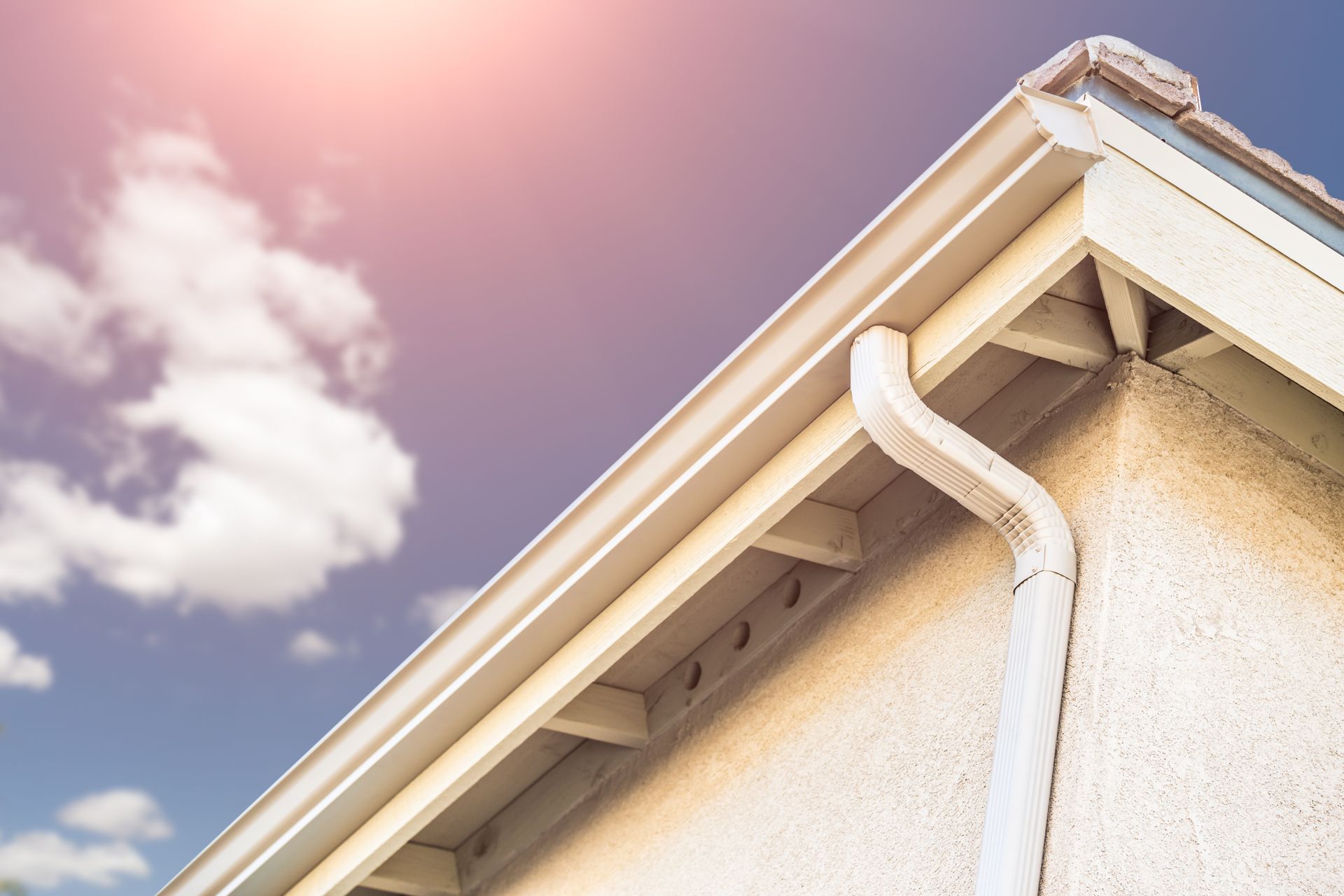
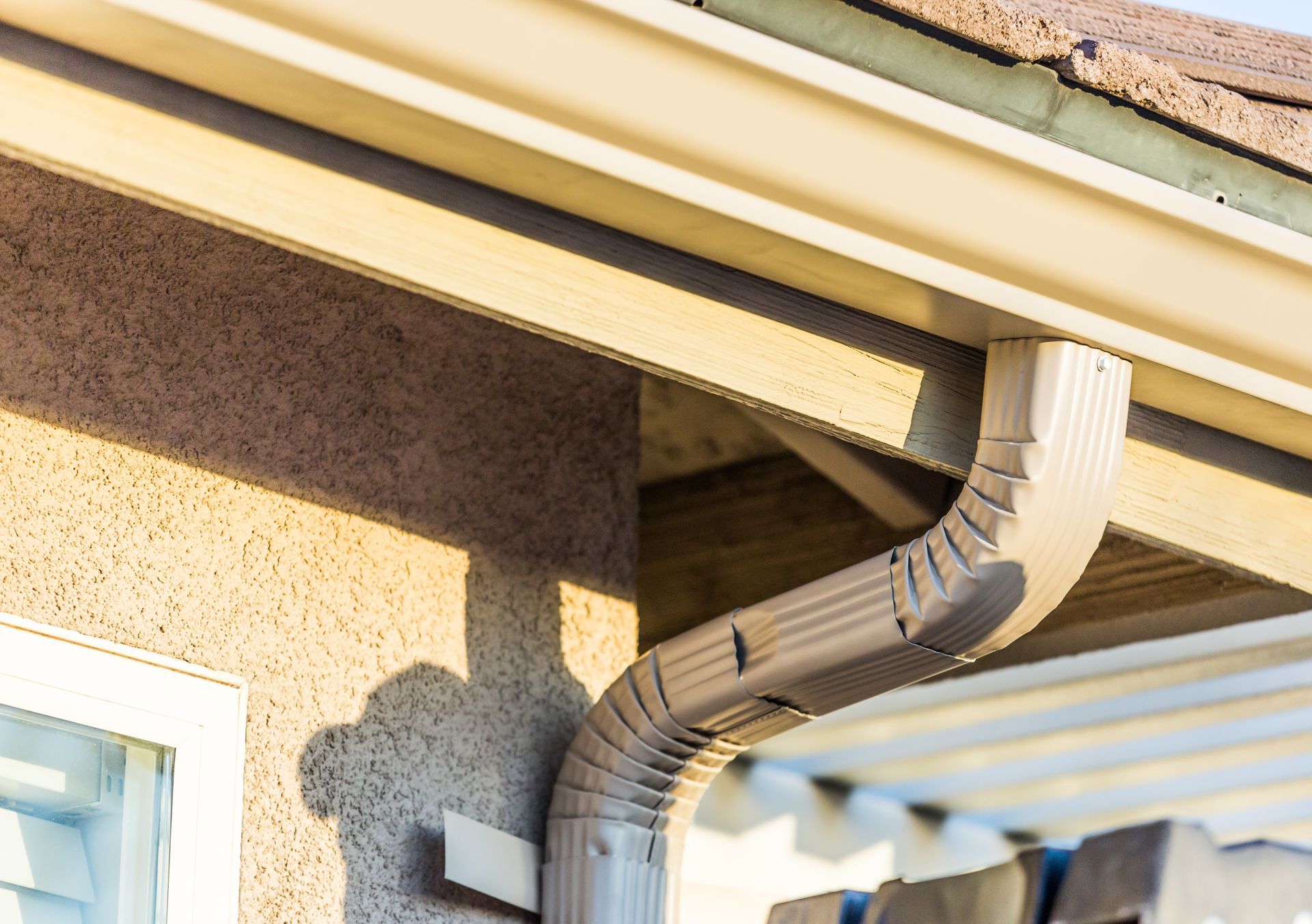
Seamless gutters are formed on-site from coil stock, creating continuous lengths that match your roofline without the seams and connectors where sectional systems typically fail. This matters when you're replacing gutters that have leaked repeatedly at joints, when you want a cleaner appearance without visible fasteners every few feet, or when your roof layout includes long uninterrupted runs where fewer connection points mean better performance. MJJ Roofing & Siding fabricates each section to the precise length required, eliminating the most common failure point in residential drainage systems.
The fabrication process involves measuring each roof edge, forming aluminum or copper coil through a portable machine that produces a continuous profile, and installing the gutter with hidden hangers that attach directly to fascia boards. Custom sizing accounts for roof area, pitch, and the volume of runoff the system needs to handle during Bangor's heavy autumn rains and spring snowmelt.
Request a consultation to review material options and gutter profiles suited to your roof design.
Request a free quote today!
Contact Us
We will get back to you as soon as possible.
Please try again later.
Why Continuous Sections Outperform Joined Systems
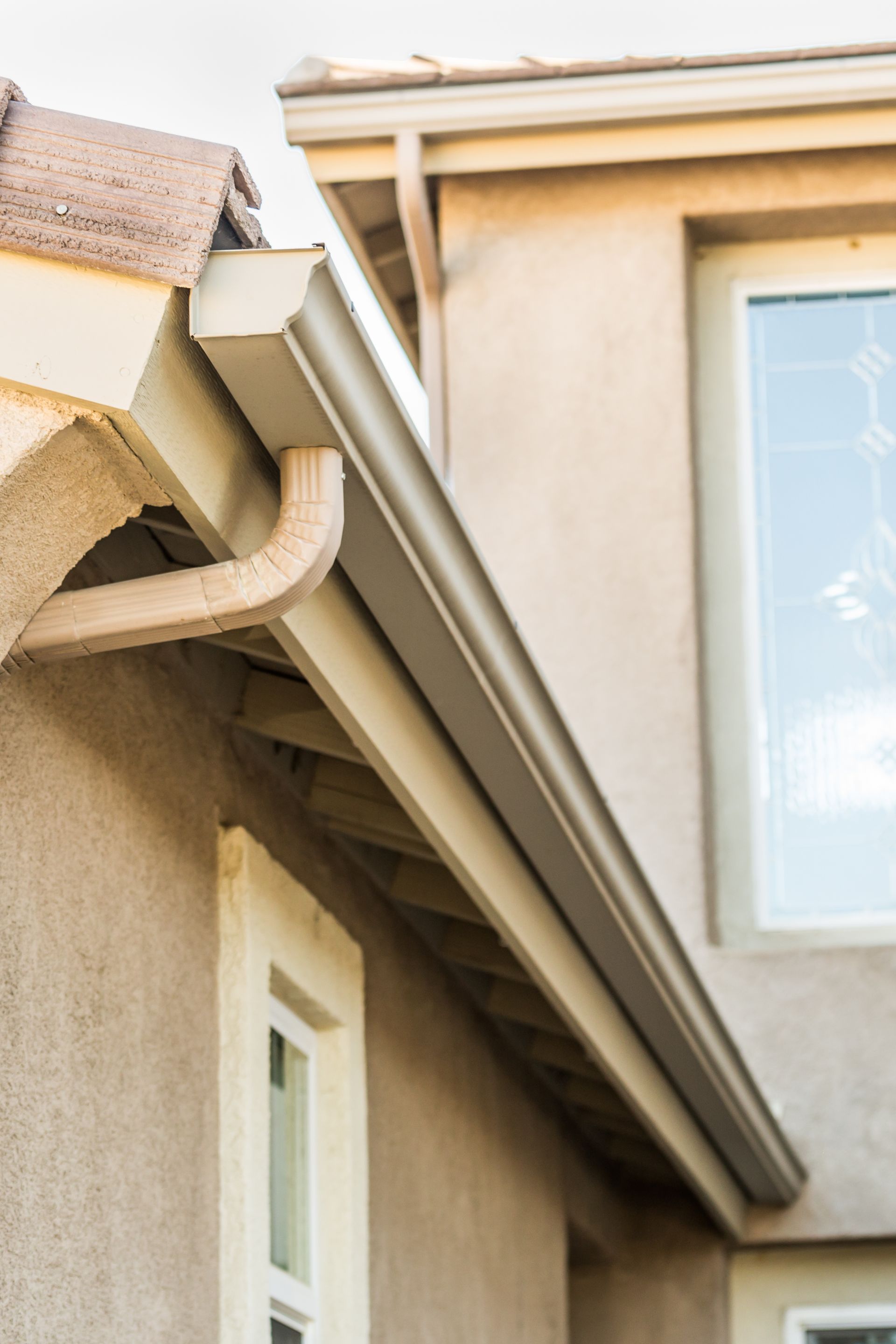
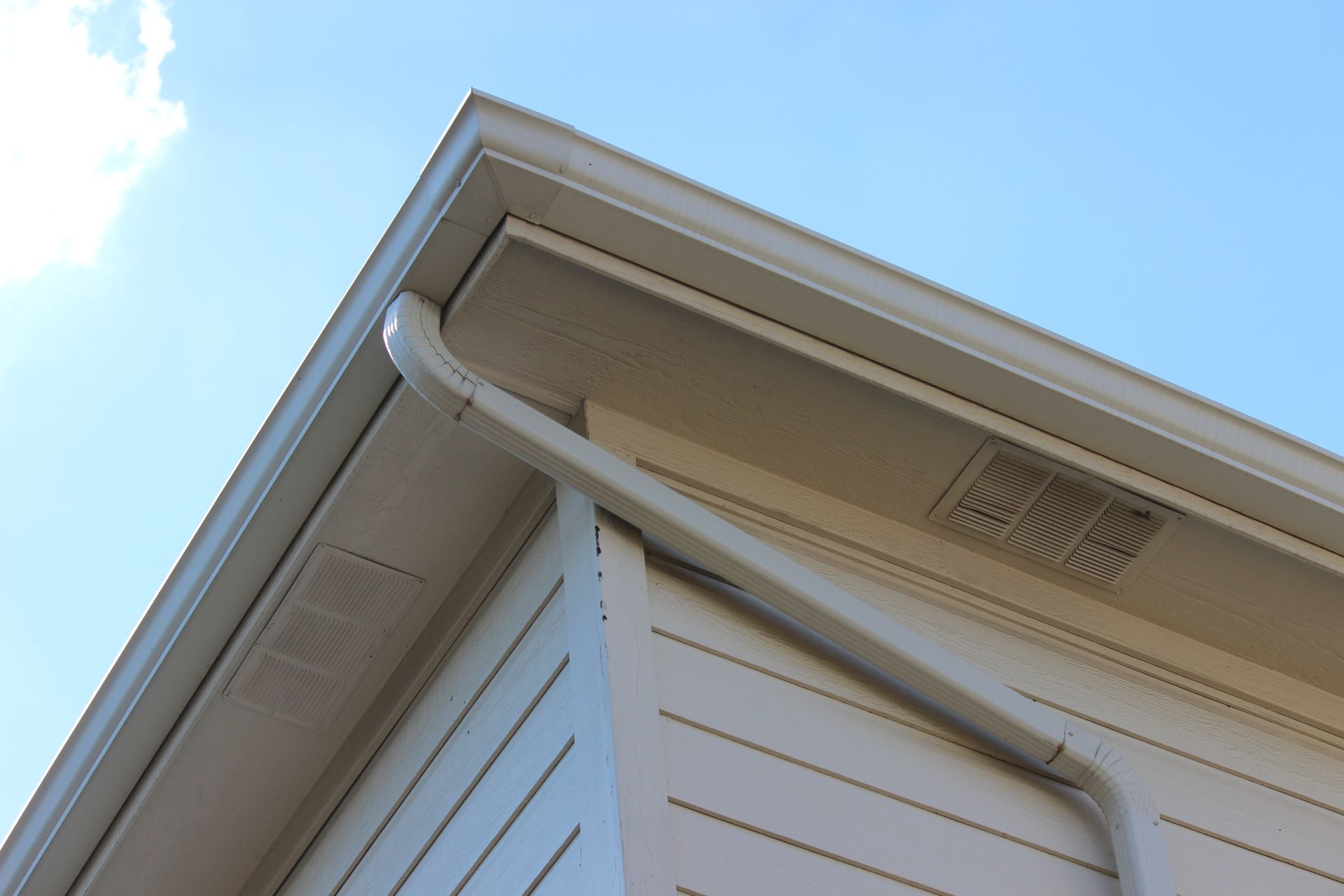
Sectional gutters rely on slip joints, brackets, and sealants to connect ten-foot lengths, and those connections degrade as temperature swings cause expansion and contraction. Seamless gutters eliminate those vulnerable points, so water moves from roof edge to downspout without encountering gaps where sealant has failed or where metal sections have separated. The profile remains uniform along the entire run, maintaining consistent water flow even during heavy storms.
After installation, you'll see clean lines along the roofline without the visual breaks and hardware that mark sectional systems. Water exits through downspouts without the drips and stains that appear below failed joints, and fascia boards remain dry because there are no seams for overflow to exploit. The system requires less maintenance since debris doesn't accumulate at connection points, and the reduced number of fasteners means fewer potential leak sites over the gutter's lifespan.
Seamless gutters don't prevent clogs from leaves and needles—regular cleaning remains necessary—but they do remove the structural weak points that cause most gutter failures. Material choice affects longevity: aluminum resists rust and handles freeze-thaw cycles, while copper develops a patina and lasts decades with minimal maintenance. Profile depth and width are selected based on roof square footage and how quickly runoff needs to move during peak flow conditions.
Common Questions About Seamless Gutter Systems
Property owners often want to understand how seamless fabrication differs from sectional installation and what that means for long-term performance.
How are seamless gutters made on-site?
A portable roll-forming machine feeds flat aluminum or copper coil stock through a series of rollers that gradually bend the material into the gutter profile. The machine produces continuous lengths up to the full run of your roofline, which are then cut to exact measurements and installed immediately.
What's the advantage of eliminating seams?
Every joint in a sectional system is a potential leak point where sealant can fail, where metal can separate during expansion, or where debris can catch and cause clogs. Seamless gutters reduce a thirty-foot run from three or four joined sections down to a single piece, removing those failure modes entirely.
Do seamless gutters work better in cold climates?
They handle freeze-thaw cycles more reliably because there are no seams for ice expansion to pry apart. Bangor winters stress gutter joints as standing water freezes, expands, and forces connections open—seamless construction removes that vulnerability, though proper slope and drainage remain critical to preventing ice buildup.
Can seamless gutters be installed on any house?
Most residential rooflines accommodate seamless installation, but complex designs with multiple angles, tight corners, or unusual architectural features may still require corner pieces and mitered joints. The goal is to minimize seams rather than eliminate every connection point when roof geometry requires it.
How long do seamless gutters last compared to sectional systems?
Aluminum seamless gutters typically function for twenty to thirty years before the material thins or hangers fail, while sectional systems often require joint repairs or resealing within ten to fifteen years. Lifespan depends more on material thickness, hanger spacing, and whether the system is kept clean than on the installation method alone.
MJJ Roofing & Siding fabricates gutters to fit your roof's specific dimensions and drainage requirements. Schedule an estimate to review material and profile options for your property.